


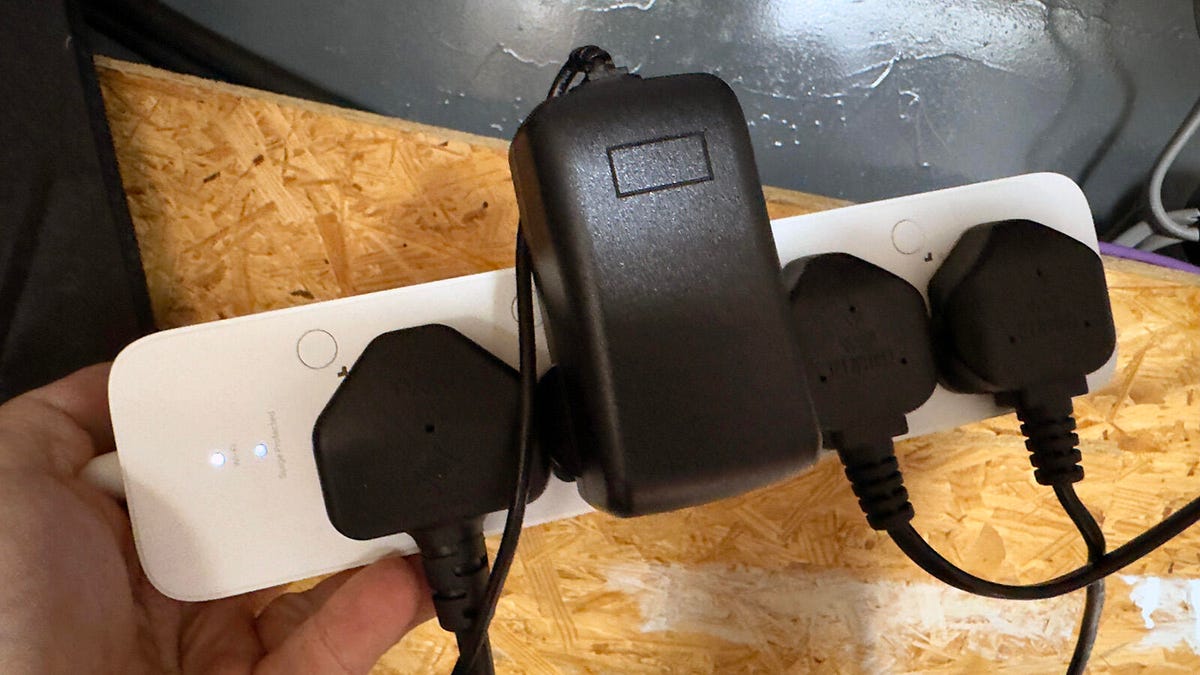
Smart Wi-Fi power strips are a great way to save on your power bill. But do they pay for themselves?
Adrian Kingsley-Hughes/ZDNET
As energy efficiency becomes increasingly important, many households are exploring solutions to reduce their power bills. One notable option is the smart Wi-Fi power strip, a device designed to optimize power consumption by remotely controlling connected devices.
Understanding the Waste of Leaving Devices On
Leaving devices plugged in and switched on when not in use can lead to unnecessary energy consumption. Many gadgets, particularly those with lights and motors, continue to draw power even in standby mode. This not only wastes energy but can also add noticeable costs to your monthly bills.
Monitoring Power Usage
With the advent of technology that allows for monitoring power consumption, owners can now track their devices’ energy usage in real-time. This feature can help identify devices that consume excessive amounts of power while not in active use, presenting an opportunity for savings.
A Case Study: 3D Printers
For example, consider someone with multiple 3D printers, which are often left on for convenience’s sake. When the investigations of power consumption begin, the owner finds that their printers consume an average of 50W each while in standby mode. When multiplied by several printers, this adds up to a significant number over time, with yearly waste potentially hitting around $60.
Introducing Smart Wi-Fi Power Strips
To combat this waste, an intelligent solution such as the Tapo smart Wi-Fi power strip can be employed. This power strip allows users to control outlets individually through an app, enabling smart management of plugged devices. Additionally, it provides functionality to monitor real-time power consumption, thereby helping users stay aware of their energy usage.
Convenience Versus Costs
Despite the initial cost of around $45, many users find that smart power strips pay for themselves within a year due to the energy savings achieved. Moreover, the operational cost of the smart outlet itself is minimal, generally costing less than $3 annually, making it an affordable and efficient option.
The Benefits of Smart Power Management
Implementing smart power strips not only helps reduce energy waste but also enhances convenience. Users can manage their devices without being physically present, making it a valuable investment for modern households. By minimizing the hassle of manually turning devices on and off, these smart solutions cater perfectly to our increasingly busy lifestyles.
Maximizing Efficiency with Smart Wi-Fi Power Strips

Smart Wi-Fi power strips help reduce energy bills and monitor consumption.
Adrian Kingsley-Hughes/ZDNET
As more devices populate our homes, it becomes essential to manage energy consumption effectively. Smart Wi-Fi power strips have emerged as a practical solution to helping consumers monitor and control power usage, potentially saving money on energy bills.
The Hidden Costs of Standby Power
Leaving devices plugged in, even when not in use, can result in significant energy waste. Many people are unaware that their electronics consume power even in standby mode, leading to wasted energy and increased bills. Identifying and minimizing this idle power consumption can create substantial savings over time.
Understanding Power Consumption
For instance, a common scenario in homes involves multi-functional devices like printers or entertainment systems, which may collectively consume energy even when idle. Investigating how much energy these devices use can uncover surprising statistics.
The Benefits of Smart Power Strips
Utilizing smart power strips can revolutionize energy management in households. These devices enable users to turn off specific outlets remotely through an app, providing more control over power consumption. Additionally, they offer real-time monitoring, allowing homeowners to visualize their energy usage.
Cost-Effective Energy Management
Many quality smart power strips are affordably priced, often around $45, and can pay for themselves within a year through energy savings. When evaluating the cost of operation, these devices contribute minimal additional expenses, typically amounting to only a few dollars annually, making them a cost-effective solution for modern energy management.
Convenience Beyond Energy Efficiency
In addition to driving down energy costs, smart power strips create a more convenient living environment. Remote operation allows users to manage devices without being physically present, streamlining daily routines and simplifying the management of multiple electronics.
The Future of Energy Management
As smart home technology continues to evolve, integrating devices like smart power strips into daily life will become increasingly valuable. Embracing smart technology not only leads to energy savings but also enhances overall home efficiency, positioning individuals and families as proactive participants in energy conservation efforts.
