


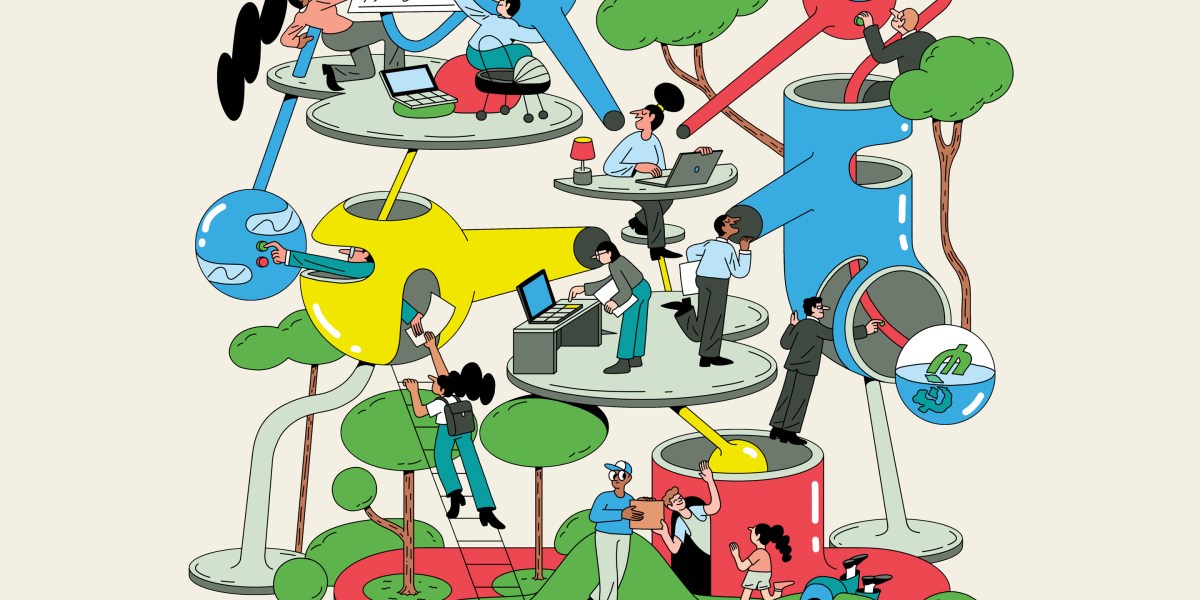
The AI era has undeniably transformed the workplace landscape, compelling every organization to adapt to digital advancements. This technological shift is revolutionizing job design, employee recruitment and training, as well as performance assessment methods. As companies navigate this transition, the focus is as much on technology as it is on fostering a supportive environment for their workforce.
Redefining the Social Contract in the Workplace
This year’s 100 Best Companies to Work For ranking, now in its 29th year, reflects a crucial shift. While technological prowess, particularly in AI, plays a significant role, the true differentiator is how organizations are reestablishing the social contract with their employees. Companies that prioritize employee support, trust, and readiness for the future are standing out as industry leaders during this AI-driven transformation.
Employee Feedback and Innovation
In an era where many firms imposed top-down mandates, the best-rated companies have taken a different approach: listening. For instance, Hilton (ranked No. 2) emphasizes a people-centric culture that involves designing policies with employee input. This collaborative approach led to the introduction of digital tipping across its nonunion U.S. hotels, demonstrating responsiveness to workforce suggestions.
Similarly, Wegmans (No. 5) encourages employees to contribute ideas through its long-standing Ask Bob channel. With strong proposals recognized and implemented, the supermarket chain fosters a continuous loop of innovation and engagement, thereby nurturing a strong employee-centered culture.
The Importance of Listening-Led Cultures
At Synchrony Financial (No. 1), listening is a core tenet of its corporate philosophy. The organization conducts regular surveys and feedback sessions, allowing employees to voice their needs regarding workplace flexibility and career development. This commitment to feedback has resulted in high employee satisfaction, with 93% of staff feeling encouraged to maintain healthy work-life balance. Synchrony has implemented hybrid working arrangements and unique programs like Flexible Fridays to support this ethos.
Preparing for Future Workforce Needs
As AI continues to redefine operational dynamics, companies are proactively preparing their workforce for a future where digital collaboration becomes the norm. Organizations like Deloitte (No. 24) are investing heavily to upskill their employees, recognizing that digital fluency will be essential for all roles. With more than 200,000 courses completed in crucial areas like AI and software engineering, Deloitte is equipping its workforce to thrive in a technology-driven environment.
Comprehensive Employee Benefits
Today’s understanding of employee well-being extends beyond simple perks. Leading companies are offering substantial benefits that prioritize emotional, financial, and medical support. For instance, American Express (No. 4) provides over 20 weeks of paid parental leave and various wellness resources, reinforcing its commitment to employee welfare.
Culture of Care in a Digital Era
As we advance further into a digital landscape, the most successful workplaces are the ones that remember the human element. The Cheesecake Factory (No. 25) exemplifies this with initiatives like “Moments That Matter,” celebrating employees’ life milestones and emphasizing family engagement in the workplace. Recognizing and supporting the personal lives of employees fosters loyalty and satisfaction within the team.
In a world increasingly shaped by algorithms and artificial intelligence, the top-rated workplaces are those that prioritize genuine human connection and support. This approach not only enhances employee morale but also contributes to long-term organizational success.
Embracing the Future: How Top Companies Are Adapting to the AI Era
The integration of artificial intelligence (AI) into the workplace is no longer a distant future; it’s a present reality reshaping industries across the globe. As businesses navigate this transformative period, they must rethink their strategies to ensure employees feel valued, secure, and prepared for the evolving landscape.
Adapting to Change: Listening to Employees
One key element that distinguishes successful companies is their focus on creating a listening-led culture. Instead of imposing changes from the top down, top employers are prioritizing open communication. They gather insights directly from employees to tailor policies that cater to their needs.
For instance, a global hospitality leader emphasizes collaboration with employees when devising policies. By responding quickly to staff feedback—such as the introduction of a new support system for personal crises—they foster trust and openness. This approach contributes to a work environment where employees feel comfortable voicing their concerns and suggestions.
Investing in Careers: Preparing for an AI-Driven Future
The emergence of AI is fundamentally altering job roles, creating a need for a workforce adept in digital skills. Forward-thinking companies are investing significantly in employee development, ensuring their teams can thrive in an AI-enhanced workspace.
These organizations are not merely adapting; they are actively reimagining how work is executed. By offering upskilling initiatives, they empower all employees—not just tech specialists—to gain a robust understanding of AI tools. This investment cultivates a culture of continual learning, preparing teams for future challenges while enhancing overall productivity.
Enhancing Work-Life Balance: Rethinking Benefits
With the rise of remote and hybrid work environments, employee well-being has taken center stage. Companies are introducing comprehensive benefits that extend beyond traditional offerings, focusing on holistic employee support.
Examples include generous parental leave policies, mental health resources, and provisions for family responsibilities. Such benefits not only improve quality of life but also foster loyalty among employees, who recognize their employer’s commitment to their overall well-being.
Promoting Innovation Through Collaboration
As AI becomes integrated into daily work, collaborative opportunities for innovation are increasing. Leading companies implement programs that encourage employees to leverage AI tools in their roles, facilitating teamwork and boosting creativity.
Training employees on ethical AI use allows them to experiment with technology in ways that enhance productivity. By creating a culture of collaboration with AI, firms position themselves as pioneers in their industries, ensuring that their workforce is engaged and equipped for success.
Fostering a Supportive Workplace Culture
A thriving workplace culture hinges on how well businesses support their employees both professionally and personally. Supportive policies, such as backup childcare and mental health initiatives, help employees navigate daily challenges while reaffirming their employer’s commitment to their success.
Customization of benefits—such as offering allowances for personal health and wellness activities—demonstrates an awareness of individual employee needs. This personalized approach not only enhances job satisfaction but also contributes significantly to overall organizational success.
Conclusion: The Importance of Human Connection
In an increasingly automated world, the essence of successful workplaces lies in maintaining genuine human connections. By prioritizing employee feedback, investing in skills development, and fostering a supportive culture, companies can thrive in the AI era. As they navigate this evolution, the focus on people remains paramount, reminding us that success is built on the foundations of empathy and understanding.
