


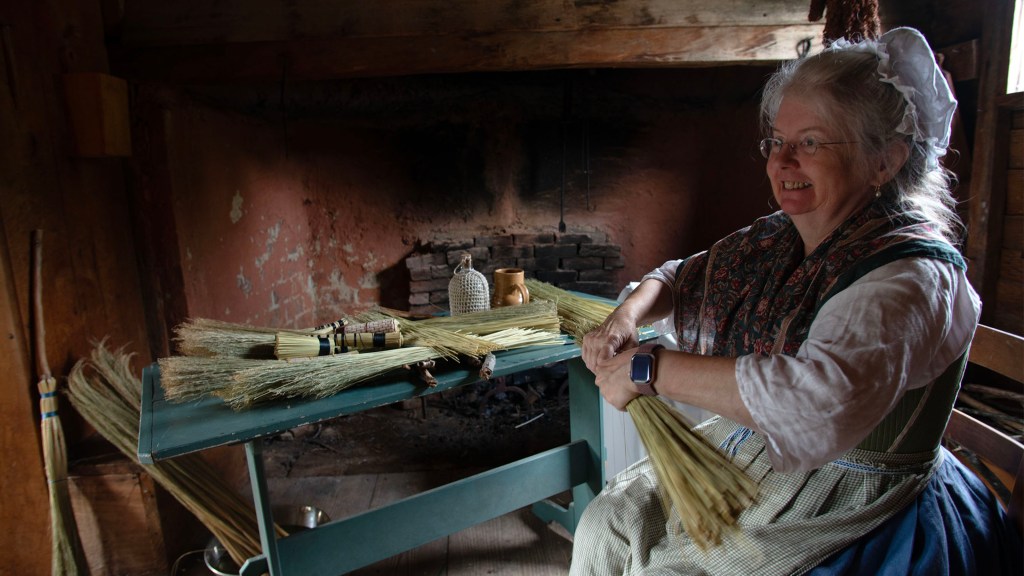
Understanding 18th Century Women’s Work
The 18th century marked a significant period in the journey of women’s roles within society. While often overshadowed by their male counterparts, women engaged in various forms of work that were crucial to the social, cultural, and economic fabric of the time. From domestic responsibilities to involvement in trade, their contributions were integral yet frequently unacknowledged.
The Domestic Sphere
Traditionally, women’s work was defined by the domestic sphere. This included not only household chores but also activities such as cooking, sewing, and childcare. Women skillfully managed these responsibilities, ensuring their families were nurtured and sustained. This labor, while essential, was often undervalued since it occurred within the private domain of the home, away from public recognition.
Artisans and Textile Production
Beyond the domestic roles, many women took part in artisanal work, particularly in textiles. Spinning, weaving, and sewing were common crafts that enabled women to contribute economically to their families. Many women would produce garments for sale or barter, showcasing their skills and innovating within a male-dominated market. These activities not only provided financial support but also affirmed women’s ability to influence the economy.
Participation in Trade
Women in the 18th century often engaged in trade, helping to run family businesses or taking over after the death or incapacitation of husbands. This entrepreneurial spirit illustrated their capacity to navigate the public sphere despite the societal constraints placed on them. These women would sell goods at markets, run taverns, and engage in commerce, challenging the perception of women’s limitations during this era.
Education and Intellectual Contributions
Education began to gain importance in the 18th century, and some women rose to prominence as authors, poets, and intellectual figures. Figures such as Mary Wollstonecraft advocated for women’s rights and education, laying foundational ideas for future generations. The emergence of literary salons became spaces for women to discuss ideas and influence cultural discourse, marking an essential aspect of women’s broader contributions in society.
The Impact of Social Changes
As the century progressed, the Enlightenment period brought about ideas of liberty and equality, impacting women’s roles in society. While societal structures continued to be patriarchal, the challenges to these norms opened doors for discussions about women’s rights and individual agency. The involvement of women in various social movements, including the abolition of slavery and the quest for suffrage, marked the beginnings of significant transformations.
Legacy of 18th Century Women’s Work
The legacy of women’s work in the 18th century is profound and still resonates today. Their contributions laid the groundwork for future advancements in women’s rights and labor recognition. Understanding their roles and recognizing their impact on history is essential for appreciating the journey toward gender equality. By highlighting these women’s stories, we can better understand the past and inspire future generations to continue the fight for equity.
In conclusion, while often relegated to the background, women’s work during the 18th century was vital to the sustenance and advancement of society. Their roles spanned the domestic realm to the avenues of trade and intellectual thought, challenging the norms of their time and providing a foundation for progress. Acknowledging this rich history is critical in understanding the evolving narrative of women’s rights and contributions.
The Role of Women in 18th Century Society
Introduction: A Glimpse into the Past
The 18th century was a pivotal period that shaped the roles and perceptions of women in society. While often overlooked, women’s contributions during this time were significant, encompassing various spheres including household management, crafts, and economic participation.
Craftsmanship and Skills
Women in the 18th century were skilled artisans, often producing handmade goods that were essential to both domestic needs and local economies. Skills such as sewing, weaving, and embroidery were not just hobbies; they were vital sources of income that empowered women and their families.
Domestic Responsibilities
Household management was regarded as a woman’s primary duty. Women were responsible for cooking, cleaning, and taking care of children. These tasks, although perceived as unskilled labor, required immense to ensure the smooth functioning of homes and, by extension, communities.
Economic Participation
As the 18th century progressed, more women began to engage in economic activities outside the home. Many opened small businesses, operated markets, or participated in trade, showcasing their resilience and adaptability in a male-dominated economic landscape.
Education and Enlightenment
The age of enlightenment prompted changes in women’s education. Access to learning started to open up, with women attending salons, reading literature, and discussing philosophical ideas. This marked the beginning of a gradual shift towards greater intellectual involvement in society.
Social Advocacy and Change
Women in the 18th century also began to advocate for social changes. Some engaged in movements for abolition and women’s rights, laying the groundwork for future generations to continue the fight for equality and justice.
Legacy and Impact
The multifaceted roles played by women in the 18th century are fundamental to understanding historical societal structures. Their resilience, skill, and advocacy paved the way for modern women’s rights and the recognition of women’s work as crucial to societal development.
