

Recommendations to Enhance Working Conditions in Scotland’s Creative Industries
Culture Secretary Angus Robertson has expressed support for significant recommendations issued by an independent Taskforce focused on the employment conditions in Scotland’s culture and creative sectors. These recommendations aim to enhance Fair Work practices, addressing ongoing concerns over precarious freelance roles, unpaid internships, and inadequate pay.
Taskforce Recommendations Overview
After thorough consultations with various stakeholders, the Culture Fair Work Taskforce has unveiled 16 key recommendations aimed at improving Fair Work standards within the creative industries. These include the establishment of a dispute resolution mechanism, enhanced protections for creatives against the theft of their work by AI technologies, and a stronger oversight role for Creative Scotland in enforcing Fair Work principles.
Government Response to the Recommendations
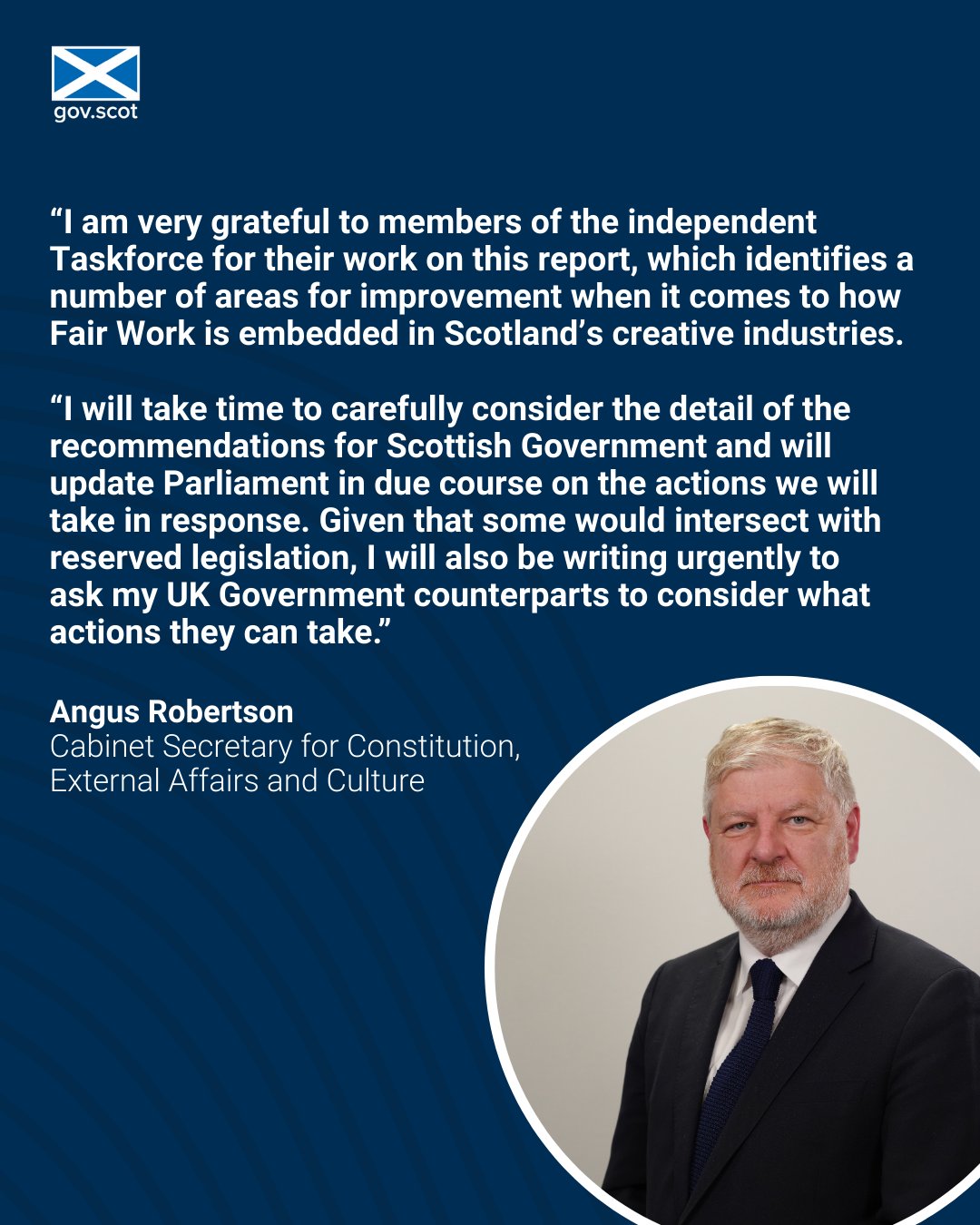
In his statement, Robertson acknowledged the Taskforce’s contributions, stating, “I am grateful to the independent Taskforce members for their work on this report, which highlights crucial areas for reform in Fair Work practices within Scotland’s creative sectors.” He further committed to reviewing the recommendations and updating the Parliament with the Scottish Government’s forthcoming actions. Notably, he indicated that some recommendations may require collaboration with the UK Government.
Insights from the Taskforce Chair
Briana Pegado, Chair of the Independent Culture Fair Work Taskforce, expressed her pleasure in leading this diverse group, which included representatives from unions, arts organizations, and local authorities. She emphasized the Taskforce’s commitment to discussing vital topics, ranging from fair pay to the implications of AI on the creative workforce.
Equity, Inclusion, and Systematic Change
Pegado highlighted that the Taskforce’s recommendations also stress equity and inclusion, advocating for effective enforcement of Fair Work standards. She conveyed optimism that the proposals offer innovative pathways toward achieving Scotland’s goal of being a Fair Work Nation by 2030. The Taskforce has analyzed models from other regions, suggesting that practical solutions can accompany a desire for systemic reform.
A Call for Action
With considerable enthusiasm, Pegado encouraged Cabinet Secretary Robertson and fellow Ministers to fully consider the Taskforce’s recommendations. She reiterated that the collaborative efforts of all contributors reflect a shared vision for a more sustainable and equitable creative industry landscape in Scotland.
Looking Ahead
As the government prepares to address the findings of the Culture Fair Work Taskforce, the hope is that these recommendations will pave the way for transformative changes in Scotland’s culture and creative sectors. By implementing robust Fair Work standards, the industry can thrive, securing a brighter future for all stakeholders involved.
For further details on the recommendations, you can access the full report here: Independent Culture Fair Work Task Force – Recommendations and Key Issues for a Fair Work Charter.
Enhancing Working Conditions in Scotland’s Creative Industries: 16 Key Recommendations

In a significant move towards improving employment conditions within Scotland’s creative sectors, Culture Secretary Angus Robertson has enthusiastically endorsed recommendations put forth by an independent Taskforce. This initiative aims to address ongoing concerns relating to precarious work environments, unpaid internships, and the fairness of pay structures.
The Role of the Culture Fair Work Taskforce
After comprehensive discussions with stakeholders across the creative spectrum, the Culture Fair Work Taskforce has developed a set of 16 critical recommendations. These recommendations are designed to cultivate Fair Work practices, providing a more stable framework for workers in the industry.
Key Recommendations for Improvement
Among the proposed recommendations are crucial strategies such as:
- Establishing a formal mechanism for dispute resolution to effectively address conflicts between employers and employees.
- Implementing safeguards to protect creative works from intellectual property theft associated with artificial intelligence.
- Expanding the involvement of Creative Scotland to ensure adherence to Fair Work principles across the sector.
Commitment to Fair Work in Creative Industries
The Culture Secretary expressed gratitude toward the Taskforce members for their valuable insights and contributions. He emphasized the importance of these recommendations in steering Scotland’s creative industries towards improved employment standards.
Importance of Comprehensive Consideration
Robertson assured that he will thoroughly examine the details of the recommendations and update the Scottish Parliament regarding potential governmental actions. He acknowledged that some recommendations could interlink with reserved legislative matters, prompting a prompt communication with UK Government colleagues for further collaborative efforts.
Insights from Taskforce Chair
Briana Pegado, the Chair of the Taskforce, highlighted the collaborative nature of the initiative, noting the involvement of diverse stakeholders, including unions, arts organizations, and freelance professionals. She expressed confidence that the recommendations would provide innovative solutions aimed at achieving Fair Work in Scotland’s creative workforce by 2030.
A Roadmap for Systemic Change
The Taskforce’s recommendations reflect a comprehensive approach to address wide-ranging issues, from fair remuneration to gig economy challenges posed by AI technologies. With an emphasis on equity and inclusion, the proposed strategies serve as a roadmap for implementing systemic change paired with actionable solutions.
Moving forward, there is hope that the Scottish Government will take these recommendations to heart, promoting a creative environment that fosters fairness, inclusivity, and sustainability for all who contribute to Scotland’s rich cultural landscape.
