


Jessica Perusse
A partnership between a Syracuse University faculty member and the Camden Life Center staff in Camden, New York, aims to explore the effectiveness of a recovery café as a unique approach to providing community-based addiction services and wellness programs in rural areas.
Understanding Recovery Cafés
A recovery café is a supportive, non-clinical environment designed for individuals overcoming trauma, addiction, and other significant life challenges. It fosters stability, healing, and community engagement through educational initiatives and essential service connections. The Recovery Café at Camden Life Center is the first initiative of its kind in New York State.
“Our café is founded on the premise that everyone is in recovery from something—be it mental health issues, substance use, grief, or life transitions,” explains Jessica Perusse, center director, who collaborates with Kenneth Marfilius, associate teaching professor of social work and faculty director at Syracuse University’s School of Education. “We aim to test whether a safe and welcoming environment, communal meals, and small group discussions can cultivate healing connections, replacing stigma with support.”
Assessing Community Needs

Kenneth Marfilius
This innovative concept originated from a needs assessment and program evaluation spearheaded by Marfilius last fall. Through surveys and interviews, he identified residents’ unmet social service needs, challenges in accessing care, and the impact of trauma on behavioral health in rural settings.
Marfilius also scrutinized the center’s existing programs, analyzing participant feedback to recommend enhancements and address service gaps. Recommendations included adding staffing, improving training, expanding transportation options, and developing programs focused on housing and mental health support.
Funding and Program Expansion
A significant $839,000 grant from the Mother Cabrini Health Foundation accelerated plans for program development. The Camden Life Center employed three full-time coordinators to lead new initiatives: a teaching kitchen for nutrition education, a youth center for substance-free recreation, and the recovery café itself. Additionally, Syracuse master’s of social work students and alumni contribute to the center’s operations, enhancing its ability to serve the community.
“The collaboration has been invaluable,” Perusse states. “By merging academic expertise with community-driven services, the recovery café broadens access to essential resources and advances research on rural health equity. This partnership proves that university-community collaborations can produce impactful, localized solutions to the unique challenges rural populations face.”
Central Hub for Rural Residents
Situated on Main Street, the Camden Life Center acts as a vital hub for residents who might otherwise struggle to access necessary services. Marfilius emphasizes the significance of this “wraparound care” model. “While rural residents experience similar social and mental health issues as urban dwellers, they encounter unique obstacles, like limited transportation and internet access. This center provides a one-stop solution for many of those needs.”
Impact and Community Response
Since its opening in 2019, the Camden Life Center has made a “remarkable impact,” with service requests increasing nearly tenfold, according to Perusse. “We initially received only five to ten service requests each month. Now, we handle 50 to 60. Approximately 65% of these requests are focused on mental health and addiction treatment, while another 10% relate to housing, food insecurity, and financial support.”
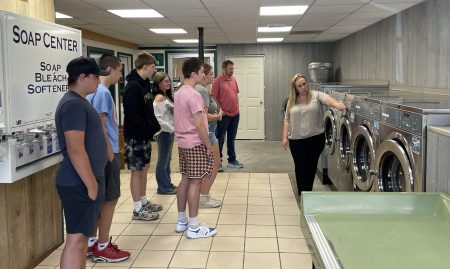
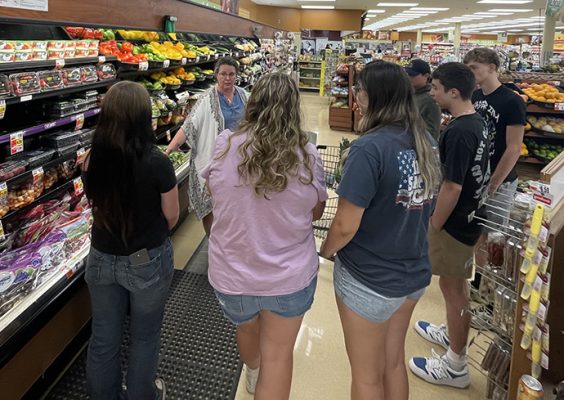
Teens learn vital life skills during the “Adulting 101” series coordinated by Frankie Mangona ’25, youth program director.
The surge in requests highlights the community’s needs, decreased stigma surrounding service use, and a growing appreciation for the availability of local resources.
Future Research and Broader Applications
Marfilius has plans for a follow-up research phase to evaluate participants’ satisfaction with the new offerings, analyze the effect of the recovery café on reducing loneliness and substance use, promote healthier lifestyles, and support long-term recovery efforts.
Partnering with Xiafei Wang from the University of Kentucky for data analysis, Marfilius aims to determine if the recovery café model can be replicated for wider impact across various social service sectors.
Innovative Recovery Café Launches in Camden, New York to Address Addiction and Wellness
In a groundbreaking initiative, a new recovery café has opened at the Camden Life Center in Camden, New York, marking a significant step in community-based addiction services and wellness programming in rural areas. This pioneering facility aims to provide a safe and supportive environment for individuals overcoming trauma and addiction.
What is a Recovery Café?
The recovery café is designed as a non-clinical space that fosters healing and community engagement. It offers educational programs and connects participants with essential services to promote stability and recovery. According to Jessica Perusse, director of the Camden Life Center, this café is the first of its kind in New York and operates on the principle that everyone is in recovery from something, whether it involves mental health challenges, substance use, or life transitions.
Understanding Community Needs
The initiative stemmed from a comprehensive needs assessment conducted by Kenneth Marfilius, an associate teaching professor of social work. His research involved interviewing residents to identify unmet social service needs and the effects of trauma on behavioral health. Marfilius’s evaluation of the current programming revealed significant gaps and provided recommendations to enhance services, including improved transportation and expanded mental health support.
Funding and New Initiatives
A pivotal moment came in January with the awarding of an $839,000 grant from the Mother Cabrini Health Foundation. This funding has enabled the Camden Life Center to implement new initiatives, including a teaching kitchen for nutritional education and a youth center offering substance-free recreational activities alongside the recovery café. The integration of master’s social work students allows for extended outreach and engagement within the community.
A Community-Centric Approach
The recovery café offers a welcoming environment aimed at reducing isolation and stigma, as emphasized by Marfilius. It provides a supportive community that serves as both a complement to formal treatment and a holistic, relational approach to recovery. By focusing on community-driven solutions, the café aims to address the unique challenges faced by individuals living in rural settings.
Location: A Central Hub for Services
Located on Main Street, the Camden Life Center acts as a crucial hub for residents who might otherwise struggle to access essential services. This wraparound care model is designed to tackle the specific barriers faced by rural residents, such as limited transportation and internet access. Since its opening, the center has seen a significant increase in service requests, underscoring its valuable role in the community.
Future Research and Expansion Plans
Looking forward, Marfilius is planning a second phase of research to assess participant satisfaction and the effectiveness of the recovery café model. This study aims to evaluate improvements in mental health, dietary habits, and overall community well-being. Collaborating with data analyst Xiafei Wang, the research seeks to create a scalable model that could enhance social services across various rural communities.
The Camden recovery café stands as a testament to the power of community collaboration in addressing addiction and promoting wellness. As the initiative evolves, it is poised to serve as a model for similar efforts across the region, demonstrating that innovative community solutions can effectively meet the needs of underserved populations.
