


Source: IMARC Group | Category: Healthcare
Introduction to the Malaysia Health and Wellness Market
According to the latest report by IMARC Group titled Malaysia Health and Wellness Market Size, Share, Trends and Forecast by Product Type, Functionality, and Region, 2026-2034, the health and wellness market in Malaysia is on the rise. Key factors fueling this growth include increasing health consciousness, the incorporation of digital health solutions, and a renewed interest in traditional herbal medicine. This comprehensive study offers deep insights into market dynamics, including market share, size, growth factors, and trending innovations.
Market Overview and Growth Projections
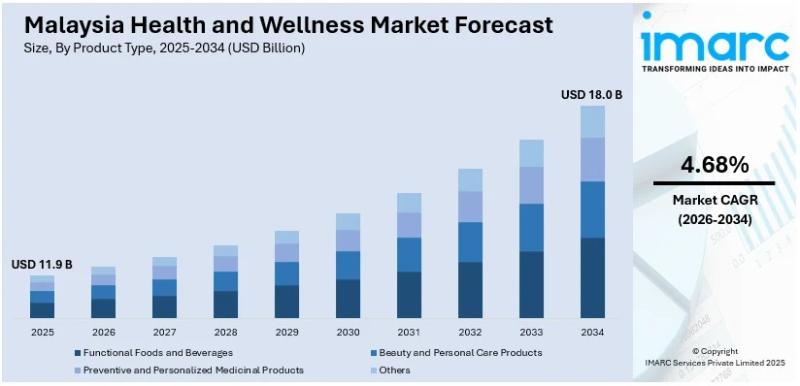
The size of the Malaysia health and wellness market reached approximately USD 11.9 billion in 2025. Looking ahead, IMARC Group anticipates that this market will expand to USD 18.0 billion by 2034, reflecting a compound annual growth rate (CAGR) of 4.68% from 2026 to 2034. This substantial growth is driven by an expanding middle-class demographic with growing disposable incomes and heightened awareness of lifestyle diseases.
Drivers of Market Growth
Key drivers of the Malaysian health and wellness market include:
- Health Awareness: Increasing knowledge about chronic diseases is pushing consumers toward preventive healthcare.
- Economic Growth: A burgeoning middle class is more financially capable of investing in wellness products and services.
- Digital Penetration: The widespread use of smartphones and high-speed internet facilitates easy access to health information.
- Cultural Heritage: The rising interest in traditional remedies and natural healing practices continues to shape consumer preferences.
Emerging Trends in Health and Wellness
Several emerging trends are transforming the Malaysia health and wellness landscape:
- Digital Health Integration: The adoption of fitness-tracking apps and telemedicine is gaining traction for real-time health monitoring.
- Modern Meets Traditional: The fusion of traditional Malay ingredients, such as stingless bee honey, with contemporary nutritional supplements is noteworthy.
- Experiential Wellness: The popularity of wellness retreats in destinations like Langkawi is rising, appealing to consumers seeking holistic experiences.
- Clean Label Products: Consumers are increasingly favoring natural and organic products that avoid synthetic additives.
Market Segmentation Insights
The market can be categorized into several key segments based on product types and functionalities:
Product Types:
- Functional Foods and Beverages
- Beauty and Personal Care Products
- Preventive and Personalized Medicinal Products
Functionality:
- Nutrition & Weight Management
- Heart & Gut Health
- Immunity and Skin Health
Recent Developments in the Market
Recent collaborations and product launches highlight the dynamism of the Malaysia health and wellness market:
- In April 2025, DKSH partnered with Kino Biotech to distribute several health brands across Malaysia.
- June 2025 saw Singapore-based Holistic Way launch four new health formulas tailored for Malaysian consumers.
- In March 2025, Leucine Rich Bio entered into a distribution alliance for introducing BugSpeaks, a gut microbiome test, in the market.
Conclusion: Future Outlook
The Malaysia health and wellness market is poised for continued growth, driven by a combination of economic factors, changing consumer behavior, and a blend of traditional and modern health solutions. As awareness of preventive health care rises, so will the demand for innovative products and services tailored to meet diverse consumer needs.
Explore the Full Report for In-Depth Analysis: Full Market Report
Malaysia’s Expanding Health and Wellness Market
Market Overview
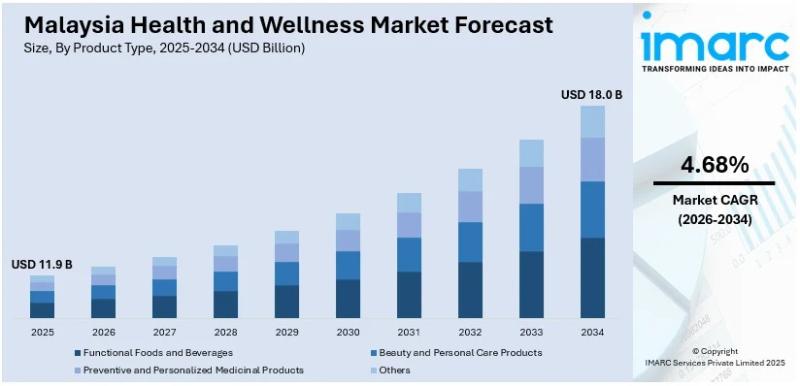
As of 2025, the Malaysia health and wellness market stands at USD 11.9 billion, with projections indicating an increase to USD 18.0 billion by 2034. This growth represents a compound annual growth rate (CAGR) of 4.68% from 2026 to 2034. The rising health awareness among consumers, combined with higher disposable incomes, is driving this trend.
Drivers of Growth
Key factors propelling the growth of the health and wellness market in Malaysia include an expanding middle class that is increasingly aware of preventive healthcare. Consumers are focusing on their well-being, leading to a surge in demand for fitness services, boutique gyms, and wellness retreats. Interestingly, there is also a revival of traditional herbal medicine, with local superfoods being incorporated into modern health products.
Emerging Trends
Several trends are reshaping the landscape of the health and wellness market in Malaysia:
- Digital Health Integration: Enhanced adoption of fitness apps, telemedicine consultations, and smart wearables for real-time health monitoring.
- Fusion of Tradition and Modernity: The integration of traditional Malay ingredients into contemporary nutritional supplements.
- Experiential Wellness: Growing popularity of wellness retreats and fitness festivals in scenic locations.
- Demand for Clean Labels: Increased consumer preference for organic and clean-label products without synthetic components.
Market Segmentation
The Malaysia health and wellness market can be segmented based on product types and functionalities:
By Product Types:
- Functional Foods and Beverages
- Beauty and Personal Care Products
- Preventive and Personalized Medicinal Products
By Functionality:
- Nutrition & Weight Management
- Heart & Gut Health
- Immunity Booster
- Bone and Skin Health
Recent Developments
Recent partnerships and product launches are indicative of the market’s dynamic nature:
- April 2025: DKSH entered a partnership with Kino Biotech to distribute prominent health and wellness brands in Malaysia.
- June 2025: Holistic Way launched four new health formulas tailored for Malaysian consumers.
- March 2025: Leucine Rich Bio collaborated with Trinature Wellness to introduce a gut microbiome testing kit in Malaysia.
Conclusion
The Malaysia wellness market is poised for significant growth over the next decade, driven by a combination of health-conscious consumers, economic growth, and the blending of traditional and modern health solutions. With rising interest in preventive healthcare and a demand for transparency in product ingredients, businesses in this sector must adapt and innovate to meet consumer expectations.
