


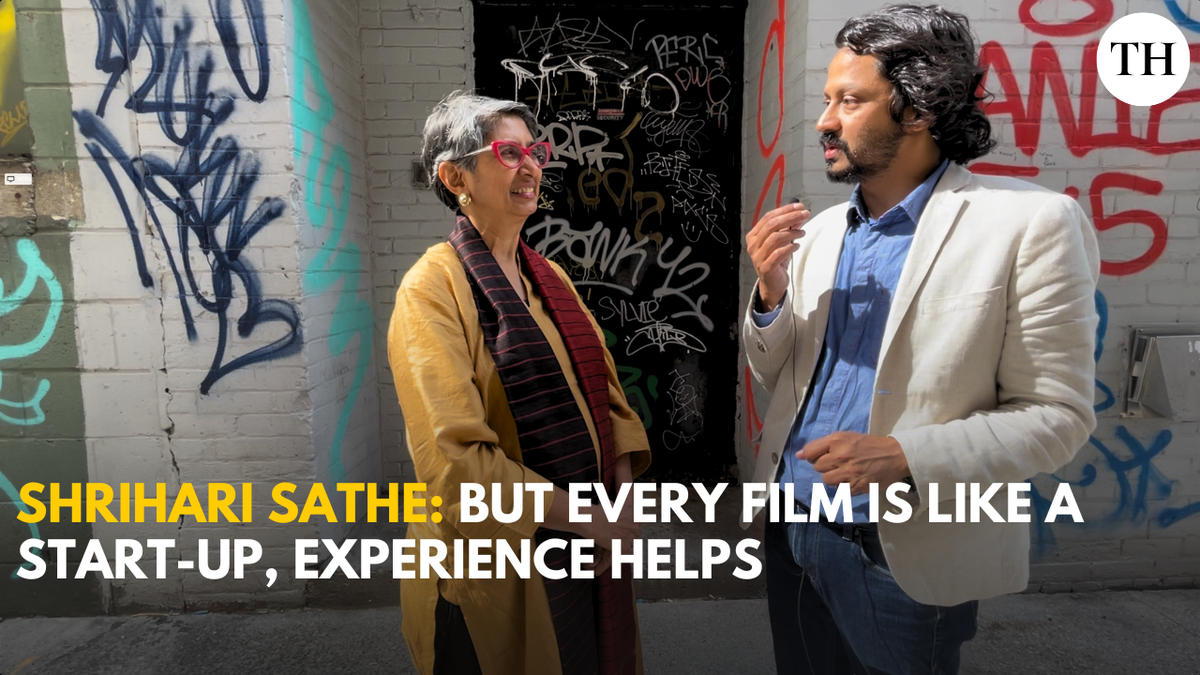
Exploring the Untold Stories of Deportation in Cinema
Introduction to the Underrepresented Narrative
In a landscape abundant with films exploring various human experiences, one crucial narrative remains largely untold: the lives of individuals who have faced deportation. Renowned filmmaker Shrihari Sathe sheds light on this significant but underrepresented theme in the cinematic world, particularly during the Toronto International Film Festival (TIFF) 2025.
Shrihari Sathe: A Voice for the Voiceless
Shrihari Sathe, an acclaimed filmmaker, brings a fresh perspective to storytelling through his dedication to highlighting marginalized voices. His insights into deportation narratives reveal the emotional and human cost associated with such life-altering events, emphasizing that these stories deserve a space in mainstream cinema.
The Impact of Deportation on Individuals
Deportation is not merely a legal or political issue; it affects families, communities, and individuals profoundly. Sathe argues that films often overlook the psychological and social ramifications of deportation, failing to portray the deep emotional struggles faced by those impacted. This lack of representation perpetuates misunderstandings and stereotypes surrounding deported individuals.
Filmmaking as a Tool for Awareness
Sathe advocates for the power of filmmaking as a transformative medium that can cultivate empathy and understanding. By bringing deportation stories to the forefront, filmmakers can challenge prevailing narratives and provoke necessary conversations about immigration policies and human rights.
Challenges in Storytelling
Despite the importance of this subject matter, Sathe acknowledges the challenges filmmakers face when tackling deportation stories. Issues surrounding representation, funding, and audience reception often hinder the exploration of these poignant narratives. However, with perseverance and creativity, filmmakers can surmount these obstacles to create impactful stories.
The Future of Deportation Narratives in Cinema
Looking ahead, Sathe is optimistic about the emerging generation of filmmakers who are willing to take risks and tell stories that matter. With a growing emphasis on authentic representation in films, there is hope that the experiences of deported individuals will gain the recognition and empathy they deserve in the coming years.
Conclusion: A Call to Action
As discussions around immigration continue to evolve, it is essential for filmmakers and audiences alike to engage with the stories of those affected by deportation. By amplifying these voices, we can foster a more inclusive narrative that reflects the diverse experiences of humanity. Shrihari Sathe’s work stands as a poignant reminder of the importance of shedding light on the untold stories that shape our world.
Unveiling the Stories of Deportation in Cinema
In the vibrant landscape of modern filmmaking, a significant narrative remains largely untold: the plight of individuals facing deportation. This theme has stirred conversations among filmmakers and audiences alike, particularly in light of insights gathered at the Toronto International Film Festival (TIFF) 2025.
Understanding the Gap in Cinematic Narratives
Historically, cinema has sought to reflect societal issues, yet the stories of deported individuals are commonly overlooked. This gap not only deprives audiences of diverse perspectives but also fails to illuminate the profound human experiences associated with deportation. Filmmakers are urged to break the silence surrounding these narratives to foster empathy and understanding.
Shrihari Sathe’s Perspective on Storytelling
Among the voices advocating for change is Shrihari Sathe, an accomplished filmmaker whose recent work aims to highlight the complexities of life after deportation. Sathe emphasizes the necessity of weaving these stories into mainstream culture to challenge stereotypes and encourage dialogue.
The Human Element of Deportation Stories
At TIFF 2025, Sathe underscored that deportation is not merely a legal issue; it encompasses profound emotional and psychological ramifications. By telling these stories, filmmakers can showcase the resilience of individuals who have experienced displacement, allowing audiences to connect with them on a personal level.
Creative Approaches to Highlighting Deportation
Innovative storytelling techniques are essential to effectively convey the nuances of deportation narratives. Sathe advocates for utilizing documentary styles, personal testimonials, and dramatic reenactments as tools to foster a deeper understanding of this multifaceted issue.
Encouraging New Voices in Cinema
The call for more diverse voices in filmmaking is crucial for enriching the representation of deported individuals. Sathe believes that emerging filmmakers from immigrant backgrounds can offer authentic insights and perspectives, thus diversifying the cinematic landscape.
The Broader Impact of Sharing Deportation Stories
By amplifying deportation stories, filmmakers can influence public perception and policy. Sathe argues that cinema should be a catalyst for change, compelling audiences to reflect on their own beliefs and inspiring advocacy for more humane immigration policies.
Conclusion: A Call to Action for Filmmakers
As dialogues surrounding immigration and deportation continue to evolve, the role of filmmakers becomes increasingly vital. By prioritizing narratives that reflect the realities of deported individuals, the film industry can help foster a more compassionate and informed society. With voices like Shrihari Sathe leading the way, there is hope for a future where these stories are not only told but celebrated.
