


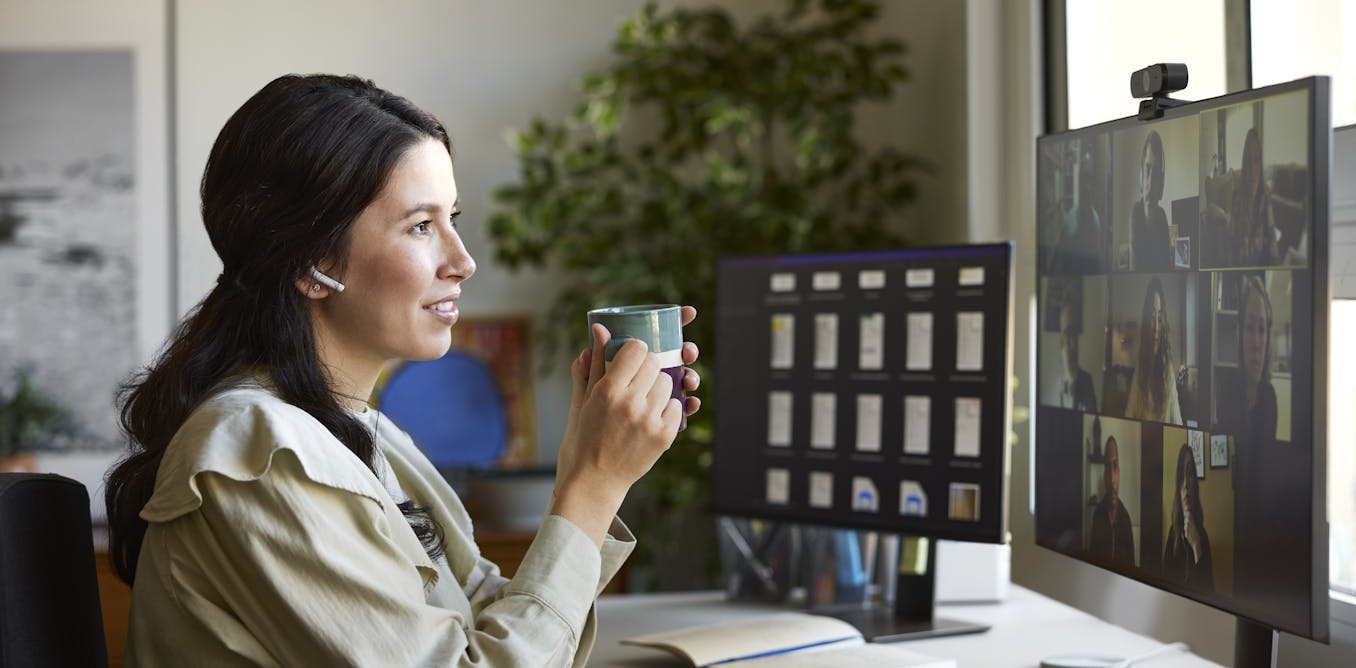
As the new work year begins, many find themselves groaning at the return to the office. However, the emergence of hybrid work might offer some solace for employees grappling with post-holiday blues.
Hybrid work has quickly become the norm for many roles, allowing individuals to balance their responsibilities between remote work—often from the comfort of home—and in-person office time. This shift is not just about flexibility; it also brings significant cultural changes that require both workers and managers to find effective ways to maintain connection and morale in a blended workplace.
But how can companies ensure that their employees remain engaged and satisfied? Virtual video calls often lack the personal touch of face-to-face interactions, and traditional team-building activities can struggle to resonate in an online format. As someone whose research focuses on the social dynamics within the workplace—specifically fun, humor, and happiness—I sought to explore how organizations adapt to these changes.
To delve into this topic, I conducted in-depth observations within two local companies, focusing on how they upheld a lively, engaging workplace culture despite hybrid arrangements. This experience allowed me to interact with employees at various levels and gain insights into their experiences, ultimately culminating in my book, Hybrid Happiness: Fun and Freedom in Flexible Work.
Understanding Hybrid Happiness
The findings from my research revealed a unanimous desire among employees to retain the hybrid work model. Many credited its success to the newfound freedom, flexibility, and trust they felt from their employers, all contributing to enhanced happiness. Employees shared the familiar advantages of hybrid work, such as significantly reduced commuting time and the ability to better manage personal obligations, like family and pet care.
However, the dynamics of workplace fun and social interaction have evolved. Employees noted a significant decline in traditional activities like table tennis and Friday drinks, opting instead for innovative alternatives such as “cheese and chat” on Thursdays, when attendance in the office tends to peak. While face-to-face interactions have dwindled, online communications have flourished, with chat streams filled with emojis, memes, and interactive quizzes providing much-needed relief from work stress.
Finding the Right Balance
Despite the positive aspects of hybrid work, it’s not without its challenges. Some fun activities may not resonate with all employees—especially introverts, who may feel uncomfortable during certain events. One young worker described an in-person fashion event that left him feeling pressured, while quizzes scheduled late in the day might feel like just another chore. Misinterpretations of emojis in messages can create unnecessary frustrations, and an overemphasis on fun activities may distract from pressing deadlines.
The key takeaway is that fun cannot be forced. Allowing employees the option to opt-out of activities can create a more comfortable environment where individuals can choose participation based on their mood or comfort level. For many, the hybrid model is advantageous, offering the freedom to skip an activity if it doesn’t appeal or time is limited.
The Importance of Choice and Flexibility
This emphasis on choice is crucial. Workers value the freedom to work remotely while also relishing the connection and stimulation that in-person office interactions provide. Some thrive in the office’s energy, while others prefer the peace of remote work but still appreciate technological connectivity. Hybrid work meets both of these needs, contributing to individual happiness—which, in turn, enhances workplace culture.
A vibrant workplace culture thrives on worker engagement and collective commitment, fostering motivation and collaboration. Although there are challenges in maintaining this balance, the potential for improved workplace culture in a hybrid environment is promising. All things considered, it appears that the new office landscape could ultimately yield a happier and more connected workforce.
Here’s to a happy hybrid new year, full of opportunities for flexibility and personal fulfillment in the workplace!
The Rise of Hybrid Work: Navigating Happiness in the New Workplace
As we ease into the new work year, many employees are grappling with the transition back to their professional routines. With the shift towards hybrid work arrangements, however, some of this struggle may be alleviated. This flexible work model allows individuals to balance their time between remote work and in-office duties, creating a new dynamic in workplace culture.
Understanding Hybrid Work Culture
Hybrid work is not just a trend; it’s becoming the norm for many organizations. Employees enjoy the flexibility of working from home while still maintaining a presence in the office. This balance fosters a sense of autonomy and trust, key components that employees value in their work-life balance.
The Shift in Social Interaction
This new work model presents both opportunities and challenges for maintaining workplace culture. Traditional team-building activities may not have the same impact in a hybrid setting. While video calls can facilitate conversations, they often lack the depth of face-to-face interactions, making it essential for companies to adapt their social activities to this new format.
Benefits of Hybrid Work
Employees are overwhelmingly in favor of hybrid work models, citing benefits such as reduced commuting time and the flexibility to manage personal responsibilities. Many individuals appreciate the ability to work in an environment that accommodates their lifestyle—whether that’s taking a stroll during breaks or working from a local café. This sense of freedom significantly contributes to their overall happiness at work.
Emphasizing Connectivity and Fun
Despite these advantages, maintaining a fun and engaging workplace culture is more complex. Many traditional social events, like after-work drinks or team lunches, are less attended. Teams are experimenting with new strategies; for instance, some have introduced “cheese and chat” sessions mid-week when more employees are likely to be in the office. Online platforms are becoming popular for quizzes and games to lighten the workday, adding a bit of fun amidst the demands of the job.
Challenges in a Hybrid Environment
However, not all attempts to foster a fun atmosphere succeed. Some activities may alienate introverts or those uncomfortable with social interaction. It’s essential to recognize that fun cannot be forced; offering an opt-out option can be beneficial. In the hybrid work model, it’s easier for employees to choose when and how to engage in social activities, allowing for a more authentic experience.
Conclusion: The Future of Workplace Happiness
Ultimately, hybrid work offers a unique blend of flexibility and connectivity, catering to diverse employee needs. When individuals feel they can work in an environment that suits them best, overall happiness rises, positively influencing workplace culture. As organizations continue to adapt, fostering a thriving workplace culture will remain a collective goal, ensuring employees feel valued and engaged in their roles.
Embracing a hybrid work model not only enhances employee satisfaction but also contributes to a dynamic, motivated workforce, paving the way for a brighter future in the workplace.
