


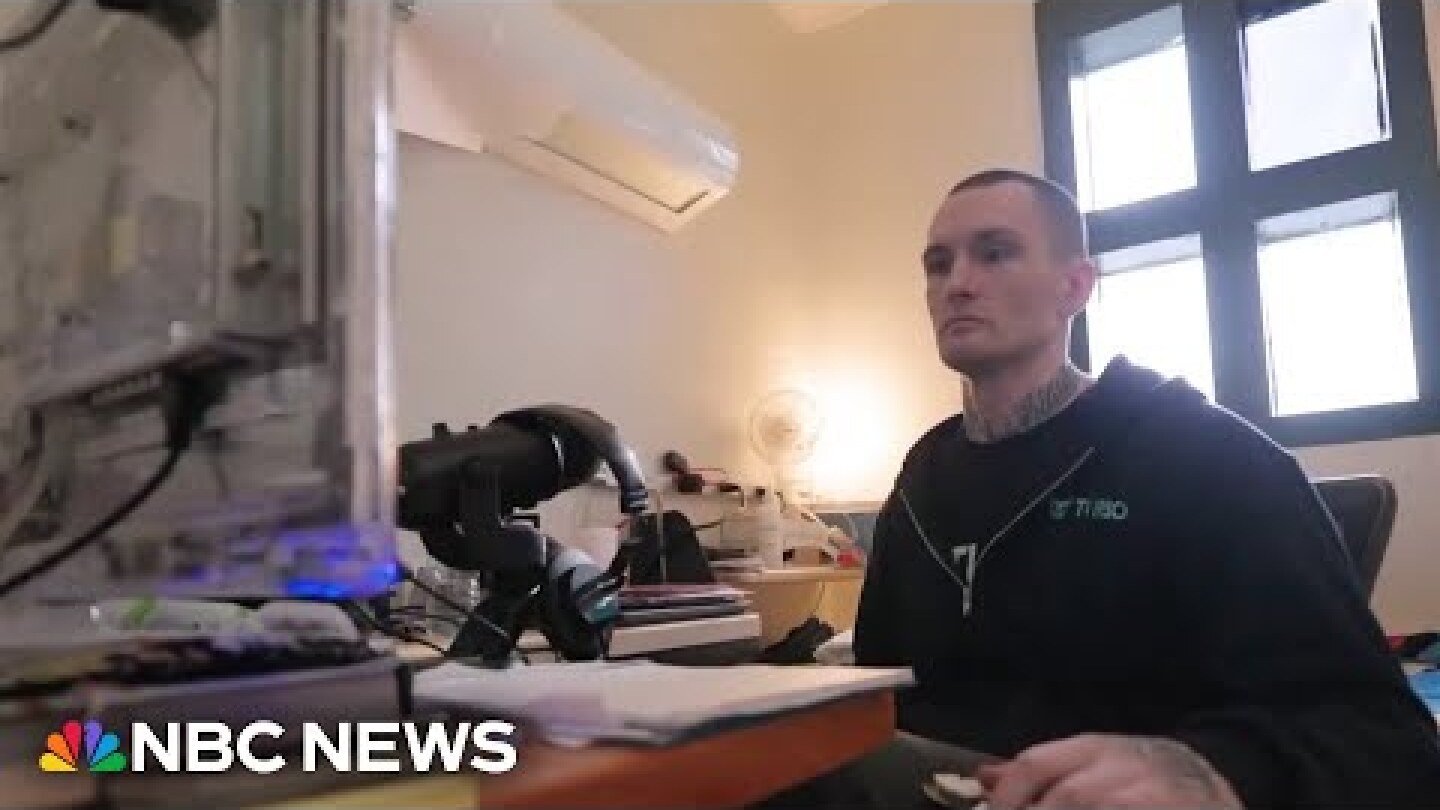
MOUNTAIN VIEW, Maine — At the Mountain View Correctional Facility, a groundbreaking initiative is transforming the lives of inmates by enabling them to work remotely for various companies instead of engaging in traditional prison jobs. This innovative approach provides inmates with valuable skills and a sense of purpose.
Among the participants is Preston Thorp, a self-taught software engineer who has taken on remote coding tasks for a tech firm based in San Francisco. Thorp’s journey from being a lifelong drug dealer to a software developer is a testament to the rehabilitative potential of work in prison. “I have a purpose now,” he stated. “Prior, I had nothing going for me.”
Thorp is part of a cohort of around 40 inmates engaged in remote work across various sectors. According to reports, Maine is advancing this model further than at least three other states—Kansas, Ohio, and California—by linking these opportunities with educational achievements and personalized rehabilitation plans.
To participate in this program, inmates must meet specific criteria set by the Maine Department of Corrections. Participants are required to complete higher education coursework and adhere to individualized case plans developed with social workers. Once these benchmarks are met, inmates are granted carefully monitored internet access to perform their jobs.
The financial benefits of remote work in prison can be substantial. As noted by reports, some inmates have achieved impressive salaries, with one individual reportedly earning six figures. However, under Maine law, a portion of these earnings is allocated toward restitution for victims and prison expenses, with 25% going to victims and 10% allocated for room and board.
Maine’s corrections leaders assert that this structure enhances accountability among inmates. “If people really care about victims and survivors of crime, the way to address that is by providing meaningful work for incarcerated individuals to help them pay down debts,” explained Maine DOC Commissioner Randall Liberty.
For Thorp, the remote job has not only enabled him to cover his expenses but also allowed him to save for a potential home purchase upon completing his sentence—a future he once thought unattainable. Another inmate, Ryan, who is currently serving a 42-year sentence, is also leveraging the program to prepare for life after incarceration. Having obtained both a bachelor’s and a master’s degree while in prison, Ryan is engaged in remote tech support and developing AI-driven systems to streamline operations.
Ryan expressed optimism about his future, stating, “I feel like I started my life in here. The transition is going to be much softer.” Similarly, Thorp’s outlook on life post-incarceration has evolved; he now believes that having a family and pursuing a typical career are within reach. This perspective shift highlights the transformative power of work-based rehabilitation for inmates in correctional facilities.
Integrating Remote Work into Correctional Rehabilitation
The success stories emerging from the Mountain View Correctional Facility prompt a discussion on the role of remote work in contemporary rehabilitation efforts. As more states explore the integration of remote employment opportunities for inmates, the potential for reducing recidivism and enhancing reintegration into society becomes increasingly evident. Inmates engaged in meaningful work not only develop skills and gain financial independence but also cultivate a sense of responsibility toward their communities and victims.
Innovative Remote Work Programs in Correctional Facilities
In a groundbreaking initiative, some correctional facilities across the United States are embracing remote work programs, allowing inmates to engage in structured employment while serving their sentences. This approach not only aims to rehabilitate individuals but also to prepare them for a productive life after incarceration.
Remote Work as a Rehabilitation Tool
Remote work opportunities provide inmates with a chance to gain valuable job skills, offering them a sense of purpose that many may have lacked while incarcerated. By working for various companies, inmates are not only earning wages but are also building their resumes, which could significantly impact their seamless transition back into society.
Case Study: The Success of Inmate Engagement
One notable example of this program’s success involves an inmate who has transitioned from a troubled past into a skilled software engineer, coding for a tech firm based in a major city. This transformation highlights the profound impact that employment—especially in growing fields like technology—can have on an individual’s life trajectory.
Employment and Accountability
Programs designed for remote work go beyond simple job placements. Most facilities require inmates to meet specific educational benchmarks, ensuring they are actively engaged in personal development. This process not only prepares inmates for future employment but also reinforces accountability, as a portion of their earnings is directed towards restitution for victims of their past actions.
Financial Benefits and Future Planning
Engaging in remote work allows inmates to earn a living wage while serving their time, which can significantly aid in their financial planning for the future. Successful participants often save for essential life milestones, such as purchasing a home or funding their education. This newfound financial independence fosters a hopeful outlook on life post-incarceration.
A Shift in Perspectives
Through participation in remote work programs, many inmates have experienced a profound shift in their outlook on life. Once burdened by a sense of hopelessness, they now envision a future filled with possibilities, including stable employment, family life, and community engagement. This change in perspective underscores the importance of providing avenues for growth and change within correctional settings.
The Role of Corrections Officials
Correctional leadership plays a vital role in these innovative programs. By fostering collaboration with educational institutions and tech companies, corrections officials aim to create an environment where inmates can thrive. Their belief is simple yet powerful: by equipping incarcerated individuals with job skills and a purpose, society can benefit from their successful reintegration.
Conclusion: A New Approach to Rehabilitation
The integration of remote work programs within correctional facilities signifies a transformative step in prison rehabilitation. By focusing on education, accountability, and meaningful employment, these initiatives not only change lives but also contribute positively to society as a whole. As the landscape of corrections continues to evolve, the emphasis on rehabilitation through remote work is an approach worth supporting and expanding.
