


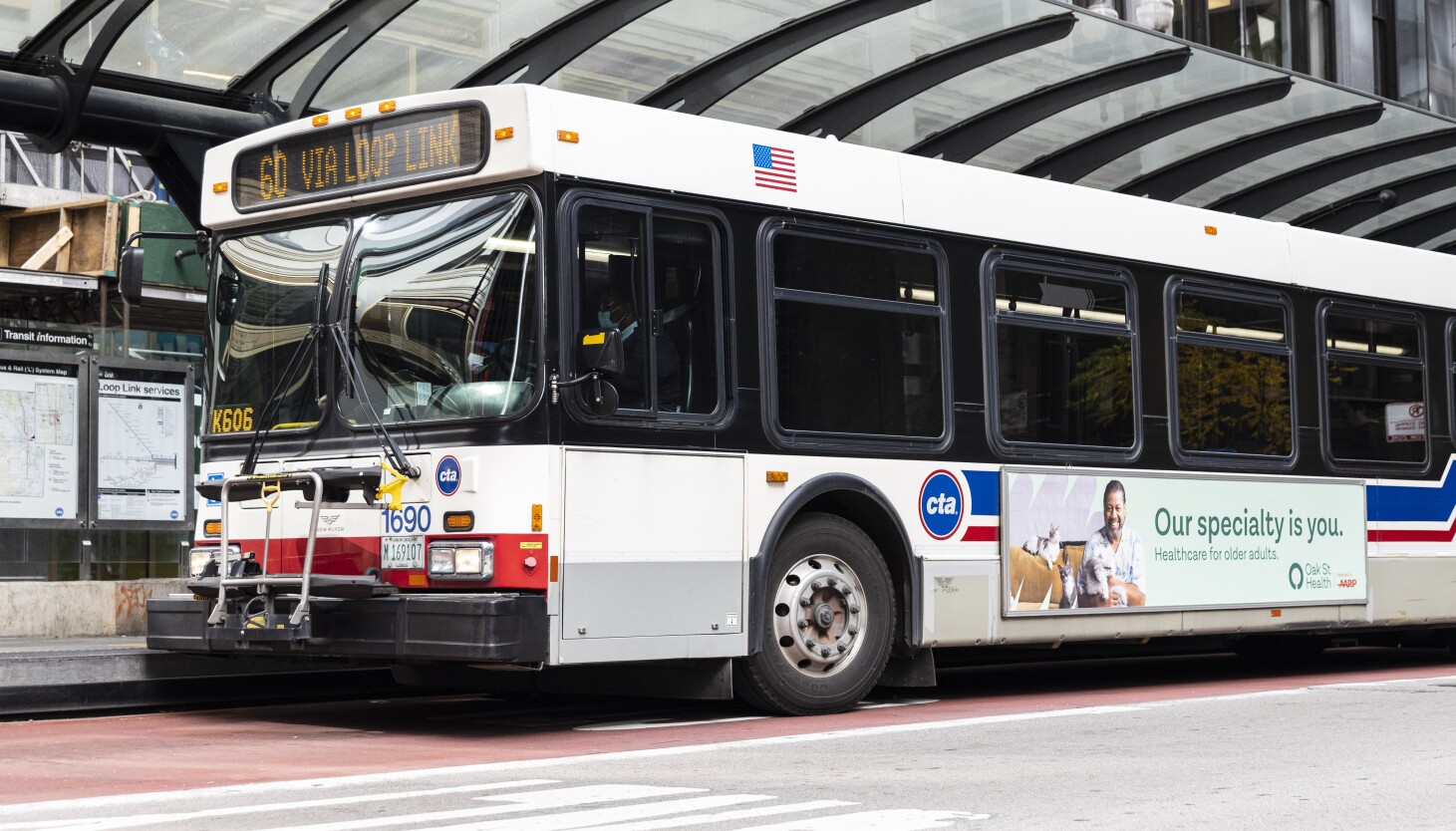
Improved Accuracy in CTA Bus Tracking
The Chicago Transit Authority (CTA) has taken a significant step in enhancing the accuracy of its bus tracking system by sharing data on canceled buses. This initiative aims to eliminate the phenomenon commonly referred to as “ghost buses,” which are buses that appear on transit tracking apps but are not actually operational.
For the first time, the CTA began publicly sharing data regarding canceled buses earlier this spring. Recently, the popular transit app, Transit, has commenced showing these canceled buses to riders, marking them with a line through their scheduled times. Currently, Transit is the only application integrating the new data from the CTA.
While the Ventra app, Google Maps, and Apple Maps have yet to include information on canceled buses, the CTA assures that updates will be made soon. This enhancement aims to provide riders with clearer and more reliable information regarding bus schedules.
Previously, public access to real-time bus tracking information was available, but riders lacked certainty about whether scheduled buses were genuinely on their way. As Stephen Miller, policy lead at the app Transit, stated, “Before there was no certainty in the information. If there wasn’t a real-time prediction, riders would have to ask themselves: Is it canceled? Or is the tracker not working?”
The CTA’s recent update addresses these concerns, providing certainty about bus operations. Miller acknowledged the CTA’s effort in making this information available, emphasizing the importance of rider confidence in public transit systems. Since the pandemic, the CTA has faced challenges in regaining ridership, with current average weekday ridership at about 69% of pre-pandemic levels from 2019.
The initiative to improve bus tracking is part of the CTA’s ongoing strategy to eradicate “ghost buses.” These issues became prevalent following the COVID-19 pandemic, during which the CTA experienced operator shortages, leading to a decreased number of running buses and trains. The agency had previously struggled to remove buses that were not anticipated to run due to staffing constraints.
Now, with staffing levels significantly improved — featuring more bus operators and nearly as many train operators as before the pandemic — the CTA reports that it ran 98.8% of its scheduled buses and 88% of its scheduled trains in June. This update signifies the CTA’s commitment to fostering reliability, a sentiment echoed by Stephanie Farmer, a sociology professor at Roosevelt University. She believes that while the changes might not cause a drastic shift, they could indeed attract more riders.
Looking ahead, the CTA is also planning further enhancements to its systems, which will include updates to reflect bus detours and reroutes in transit applications. Interim CTA President Nora Leerhsen, who took office on February 1, has been attentive to concerns regarding safety and reliability. During recent discussions with a City Council committee, she noted that field supervisors have been deployed to monitor service delivery, achieving “90% reliability” and a notable decrease in rider complaints.
Improving Public Transit Accuracy with Real-Time Bus Data
The Chicago Transit Authority (CTA) has taken a significant step towards enhancing the reliability of its public transit services. By sharing real-time data regarding canceled bus routes, the CTA aims to improve rider experience and eliminate the issue of “ghost buses.” This initiative ensures that only actual scheduled buses are displayed in transit tracking applications, providing riders with more accurate information.
Addressing the Issue of ‘Ghost Buses’
Ghost buses refer to those that appear in transit tracking apps but are not actually in service. These occurrences create confusion among riders, especially when they rely on these apps for information. Earlier this year, the CTA began making data about canceled buses publicly available, enabling applications like Transit to indicate which buses are canceled by marking them with a strikethrough on their scheduled times.
Transit Applications Adapting to New Data
Currently, the Transit app is the only platform utilizing CTA’s new approach to canceled bus data. Other popular applications like Google Maps, Apple Maps, and the Ventra app are expected to integrate this information soon, enhancing their functionality and helping riders make informed transit decisions.
The Importance of Accurate Information
Providing accurate information is crucial in rebuilding trust among riders. With weekday ridership hovering at around 69% of pre-pandemic levels, the CTA recognizes the importance of effective communication. As Stephen Miller from Transit noted, the introduction of this data brings a newfound certainty to riders, allowing them to understand whether a bus is genuinely en route or if it has been canceled.
Resolving Staffing Challenges
Historically, the issue of ghost buses intensified during the COVID-19 pandemic when the CTA faced a significant shortage of bus operators, leading to fewer buses and trains running than were scheduled. Previously, the inability to remove these canceled services from tracking systems caused further frustration among riders. However, the CTA reports improvement in staffing, with more operators now available than before the pandemic.
Enhancing Rider Confidence
The new tracking system serves as an important step toward instilling confidence in public transit. According to sociologist Stephanie Farmer, while this change alone may not drastically shift ridership patterns, it lends credibility to the CTA’s ongoing efforts to enhance service reliability and attract more riders.
Future Plans for Service Improvements
Looking ahead, the CTA aims to continue refining its services with further updates to transit apps, including the integration of bus detours and reroutes. Interim CTA President Nora Leerhsen has expressed a commitment to addressing rider concerns, implementing measures to improve reliability and reduce complaints significantly through active field supervision.
In conclusion, these advancements reflect the CTA’s commitment to improving public transit and enhancing the overall rider experience. With greater transparency and accurate information, the CTA is set to regain the trust of its patrons while continuing to develop systems that promote reliable public transportation.
