


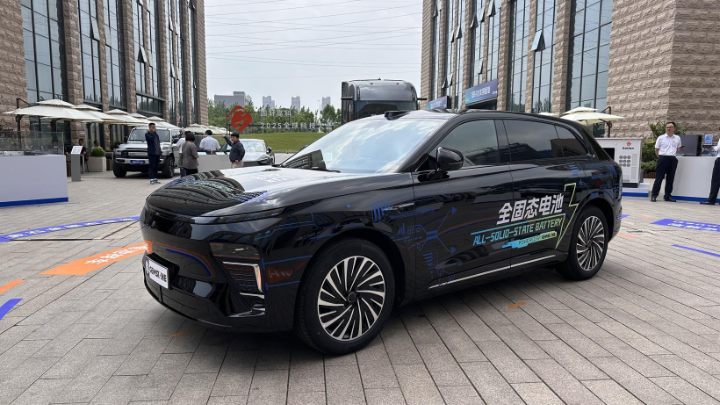
Introduction to Gotion High-Tech’s Advancements in Solid-State Batteries
Gotion High-Tech is making notable strides in the solid-state battery sector, signaling a significant advancement in next-generation battery technology. The company recently updated investors on its progress, highlighting the completion of design work for a 2GWh all-solid-state battery production line.
Current Status of Solid-State Battery Production
On March 2, Gotion communicated through an interactive platform that while the design phase for the production line is nearly finalized, they have yet to issue formal tenders for GWh-scale equipment and materials. This suggests that while they are well-prepared, key steps remain to be completed before full production can commence.
Recent Updates on Battery Testing and Validation
In December, Gotion provided a series of updates on its battery technologies. The company announced that its “G-standard” quasi-solid-state battery has successfully completed its testing phase and is now undergoing validation tailored to specific client needs. Testing has progressed steadily with various automakers, who have praised the battery performance and data received so far.
Future Launch Plans for All-Solid-State Batteries
As part of its future roadmap, Gotion revealed plans to launch a pilot line for its “Jinshi” all-solid-state battery, with internal vehicle testing set to begin in the first half of 2025. The ongoing design for a 2GWh mass production line indicates the company’s commitment to large-scale battery manufacturing in the near future.
The Advantages of Solid-State Battery Technology
Solid-state batteries are widely regarded as a revolutionary advancement within battery technology. They offer numerous benefits, including high energy density, improved safety features, and a longer cycle life. These attributes make them a focal point for significant economies, including China, the United States, the European Union, Japan, and South Korea.
Industry Consensus on Commercial Deployment
Industry experts believe that semi-solid batteries are likely to see commercial deployment in the coming years, while all-solid-state batteries are anticipated to reach a critical pilot phase between 2026 and 2027. This timeline reflects a growing momentum in the sector, as companies work towards more sustainable and efficient battery solutions.
Strategic Partnership with BASF
Recently, Gotion and BASF entered into a strategic memorandum of understanding in Hefei, marking a significant shift in Gotion’s strategy towards larger-scale and systematic development of solid-state batteries. This partnership aims to foster collaborative innovation, focusing on the joint research and development of high-performance materials essential for the next generation of solid-state batteries.
Conclusion: The Future of Solid-State Batteries
As Gotion High-Tech progresses in solid-state battery development, it appears poised to play a pivotal role in the evolving landscape of battery technology. Through strategic partnerships and an unwavering commitment to innovation, the company is setting the stage for a future where solid-state batteries become the norm in energy storage solutions.
Gotion High-Tech Advances in Solid-State Battery Technology
Gotion High-Tech is forging ahead in the realm of solid-state batteries, a cutting-edge technology that holds promise for the future of energy storage. Recently, the company announced significant progress regarding the design and planning of a 2GWh all-solid-state battery production line, marking a vital step forward in its development strategy.
Timeline and Production Insights
As of March 2, Gotion clarified that while the design phase for the 2GWh production line is nearing completion, formal tenders for GWh-scale equipment and materials are yet to be issued. This underscores the company’s methodical approach as it takes significant strides toward mass production.
Innovation in Battery Technology
In December, Gotion made headlines by providing updates on its “G-standard” quasi-solid-state battery. After successful testing, this innovative solution is now undergoing validation tailored to meet client specifications. Several automotive manufacturers have conducted tests, embracing the battery’s performance capabilities and providing positive feedback.
Future Launch and Testing
Gotion’s ambitious plans include the introduction of its “Jinshi” all-solid-state battery, which is scheduled for a pilot line launch and internal vehicle testing within the first half of 2025. The groundwork for this initiative complements their ongoing design work for the 2GWh mass production line, reflecting a robust commitment to innovative battery solutions.
The Role of Solid-State Batteries
Solid-state batteries are increasingly recognized as a transformative advancement in the battery industry. With attributes such as high energy density, improved safety, and prolonged cycle life, these batteries are gaining traction globally—especially in key markets like China, the USA, the European Union, Japan, and South Korea. Experts predict that semi-solid batteries will lead commercial applications in the coming years, whereas all-solid-state models are likely to enter crucial phases of piloting by 2026-2027.
Strategic Collaborations and Innovations
In a noteworthy strategic move, Gotion recently partnered with BASF, signing a memorandum of understanding in Hefei to enhance its solid-state battery technology. This collaboration signals a shift toward more systematic and scalable developments in the field, reflecting a commitment to innovation.
Focus on Collaborative Research and Development
The partnership with BASF will concentrate on collaborative innovation and the joint research and development of next-generation materials for solid-state batteries. This initiative is expected to bolster the scope of Gotion’s core material offerings and accelerate advancements within the industry.
In conclusion, Gotion High-Tech is at the forefront of solid-state battery innovation, poised to play a pivotal role in the evolution of energy storage solutions. As the company continues to refine its technologies and strengthen strategic partnerships, it remains a key player in the transition toward more efficient and safer battery systems.
