


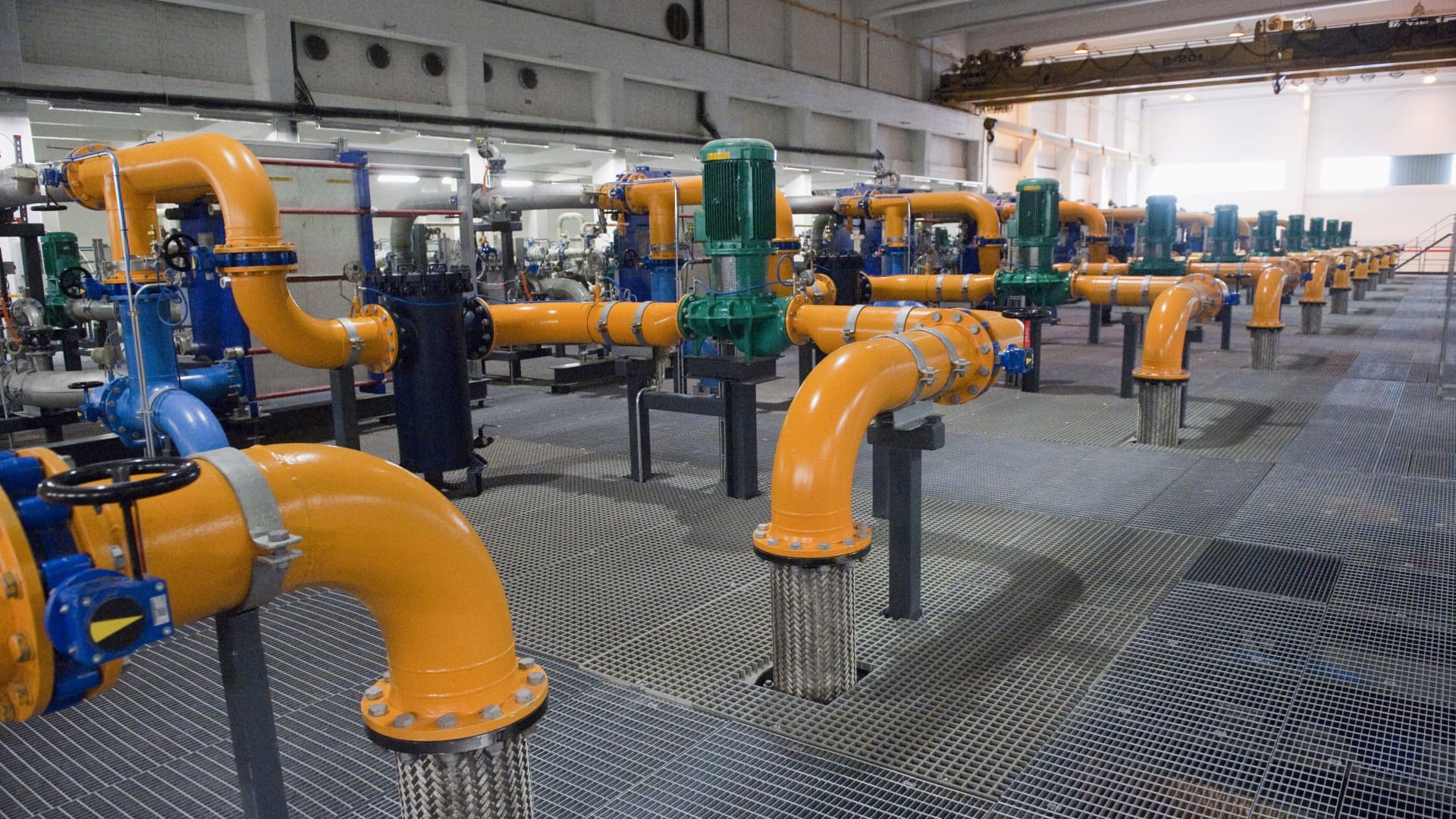
Students at a tech university in Dublin are benefitting from an innovative application of artificial intelligence (AI) — it’s assisting in heating their campus. The Technical University of Dublin’s Tallaght campus has been utilizing waste heat from a nearby Amazon Web Services (AWS) data center since 2023, part of a growing trend in southwest Dublin’s suburbs.
Data centers traditionally produce excess heat; however, integrating this waste heat into district heating networks has been a slow process. The lower temperature of the heat generated by these power-intensive establishments often renders it unsuitable for directly warming adjacent buildings. This scenario is evolving as the AI industry expands, compelling data centers to adopt advanced chips that demand up to three times the previous computing capacity. This shift drives operators to explore innovative methods for balancing efficiency with sustainability.
AI Enhancements for Efficient Heating
The integration of AI has made leveraging waste heat more appealing, according to Adam Fabricius, commercial manager at Sav Systems and a researcher in heat networks at EnergiRaven. He noted, “AI can provide higher temperatures, and the use of water cooling significantly simplifies the process. This requires substantially less hardware to connect.” By supplying heat to district networks, data centers gain a “social license,” as highlighted by Brendan Reidenbach from the International Energy Agency, who believes this could transform a narrative around data centers into a positive story regarding decarbonized heat supply.
Ireland’s Unique Opportunity for District Heating
Ireland presents a unique opportunity for adopting such heating models. Unlike other European nations, it has not had a district heating system to date, which is why the Tallaght initiative showcases the benefits of integrated planning involving both power and distribution grid operators. Local governments initiated Ireland’s first not-for-profit energy utility, Heat Works, in 2020. The AWS facility in Tallaght is now responsible for providing 100% of the heat used in the network.
Environmental Impact and Community Benefits
According to calculations from TU Dublin, the Tallaght campus managed to avoid around 704 metric tons of carbon dioxide emissions in 2024, even with the increased energy requirements for two new buildings. The AWS data center’s initiative to supply recycled heat free of charge aims to help heat multiple public buildings and residential units, covering a large area and supporting local climate goals.
Innovative Heat Capture Technologies
Cities in other regions, particularly in the U.S., are also considering similar models. Data centers are often more effective in delivering waste heat, particularly those situated closer to urban centers. Ben Hertz-Shargel from Wood Mackenzie emphasized that while the model presents challenges — such as permitting delays and high costs for setting up heat networks — the benefits of reusing waste heat for local communities are immense.
Moving Towards Sustainable Heating Solutions
As cities work towards adopting these models, analysis indicates that waste heat from data centers could potentially fulfill heating needs for millions of homes by 2035. In doing so, every kilowatt of reused energy reduces the necessity to import additional energy. This shift offers a viable path to replace natural gas boilers with renewable heating solutions.
Future of District Heating in the UK and Beyond
For countries like the UK, adapting to the reuse of waste heat requires significant infrastructure developments and a transition away from fossil fuels. With a current reliance on gas, the sector needs to diversify and innovate, though experts note that this will not be an easy journey. The collaboration between businesses like AWS and educational institutions like TU Dublin exemplifies a forward-thinking approach to tackling energy demands sustainably and effectively.
Sustainable Heating Solutions: How Data Centers are Revolutionizing Energy Use
In an era where sustainability is paramount, the integration of technology and renewable energy sources is becoming increasingly vital. One of the most intriguing developments is the utilization of waste heat generated by data centers, which is now being leveraged to provide heating for nearby facilities. This innovative approach not only helps reduce carbon footprints but also redefines how communities consume energy.
Harnessing Waste Heat for Efficient Energy Use
As the demand for digital services grows, data centers are becoming more prevalent, generating substantial amounts of excess heat. Traditionally, this waste heat was overlooked; however, recent advancements in technology and shifts in energy policy have paved the way for utilizing this byproduct more effectively. By integrating data centers with district heating networks, the excess heat can be redirected to warm buildings, thus, promoting sustainability.
The Role of Artificial Intelligence in Energy Efficiency
With the rise of artificial intelligence (AI) and the increased computing power required by modern data processing technologies, the operational efficiency of data centers has improved significantly. AI allows for higher temperature outputs, making waste heat more usable for heating networks. This optimization not only heightens the reliability of these systems but also enhances their contribution to carbon reduction goals.
The Case for Community Heat Networks
One notable example is the thermal utility initiative in Dublin, where a local university has partnered with a data center to utilize waste heat for campus facilities. This collaboration indicates how community-focused energy projects can thrive when there is a commitment to sustainable practices. As more entities recognize the value of these community-oriented heat networks, the potential for widespread adoption becomes more realistic.
Challenges and Opportunities Ahead
Despite the evident benefits of integrating waste heat recovery systems, numerous challenges remain. High initial investments and complex permitting processes can deter organizations from pursuing these projects. However, successful models from other countries serve as inspiring case studies. Properly planned and funded initiatives can demonstrate the viability of such systems and attract more investment.
Setting the Standard for Future Developments
As nations look to transition from fossil fuel reliance, harnessing waste heat offers a compelling alternative. By promoting energy reuse, communities are not only working towards sustainability but are also cultivating resilience against fluctuating energy prices. Governments are increasingly investing in infrastructure that supports these heating models, emphasizing the critical nature of collaboration between data centers and utility providers.
Conclusion: A Vision for a Sustainable Future
The potential for data centers to act as both energy consumers and producers showcases a promising shift in how energy management systems can be structured. As cities evolve and prioritize sustainability, they will likely adopt similar models to optimize the use of waste heat, transforming energy consumption in urban environments. The journey toward a cleaner, more efficient energy landscape is well underway, signaling an exciting chapter in the narrative of renewable energy.
