


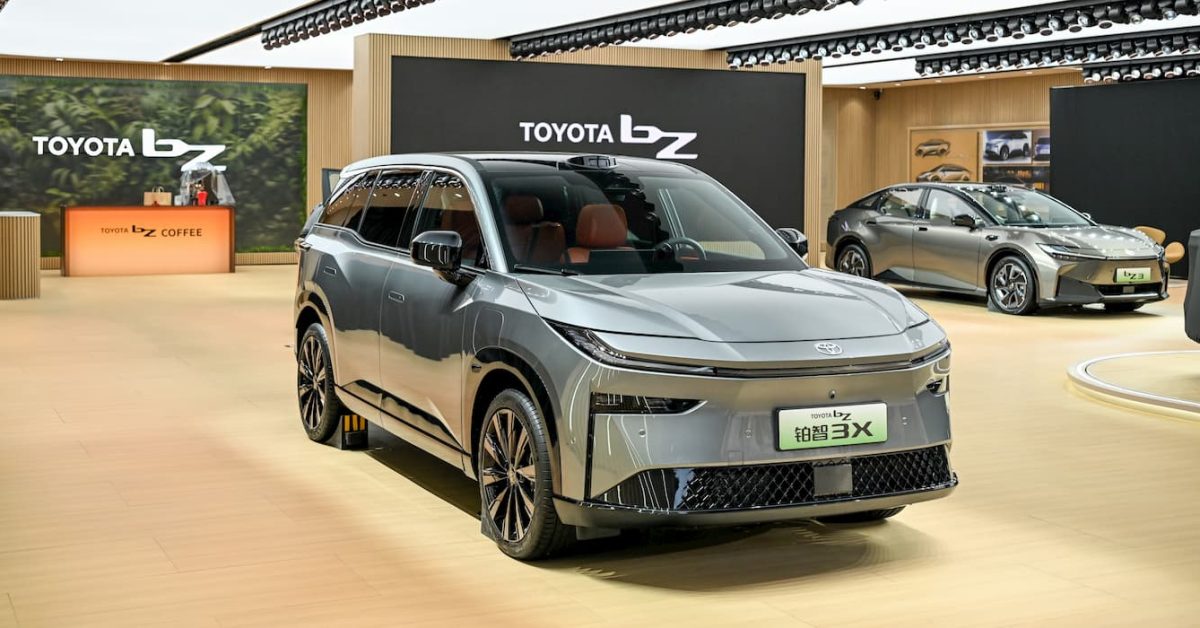
Toyota is evolving in the electric vehicle (EV) market with remarkable partnerships. Dubbed as “god-level allies,” these collaborations with leading Chinese tech firms are set to enhance Toyota’s future EV offerings significantly.
Toyota Teams Up with China’s Tech Giants
During the recent Tech Day event, GAC Toyota, Toyota’s joint venture in China, announced impactful alliances with industry powerhouses like Huawei, Xiaomi, and Momenta. These partnerships aim to revolutionize software, AI, and smart driving features in upcoming EV models.
With the mantra of “god-level allies are coming to help,” GAC Toyota is charting a comprehensive R&D strategy focused on software and intelligent driving as part of its “China R&D 2.0” plan. This initiative signifies a major leap toward crafting an advanced EV ecosystem.
Innovative Platforms and Technologies
GAC Toyota introduced next-generation electronic architecture, two new energy vehicle (NEV) platforms, and three advanced hybrid systems at the event. One platform is dedicated exclusively to fully electric vehicles, accommodating compact to midsize models.
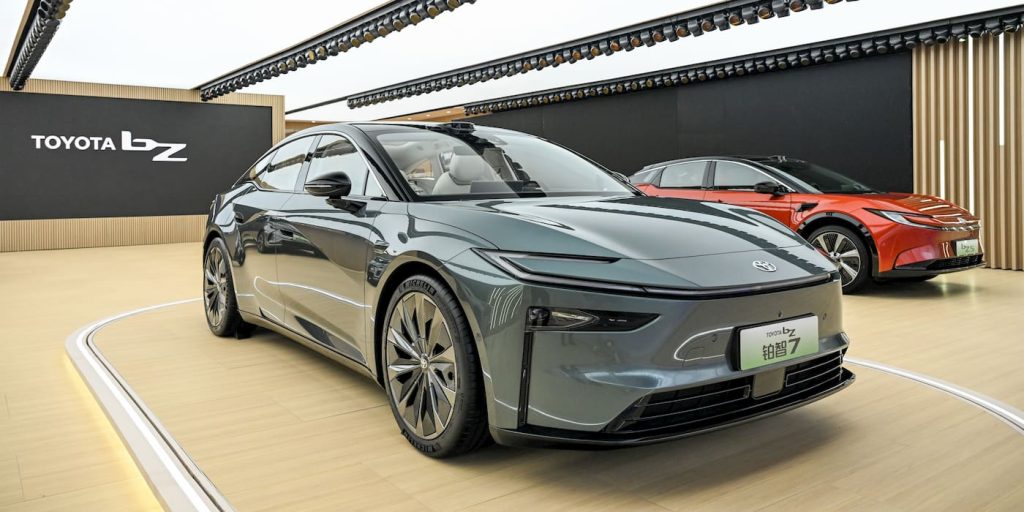
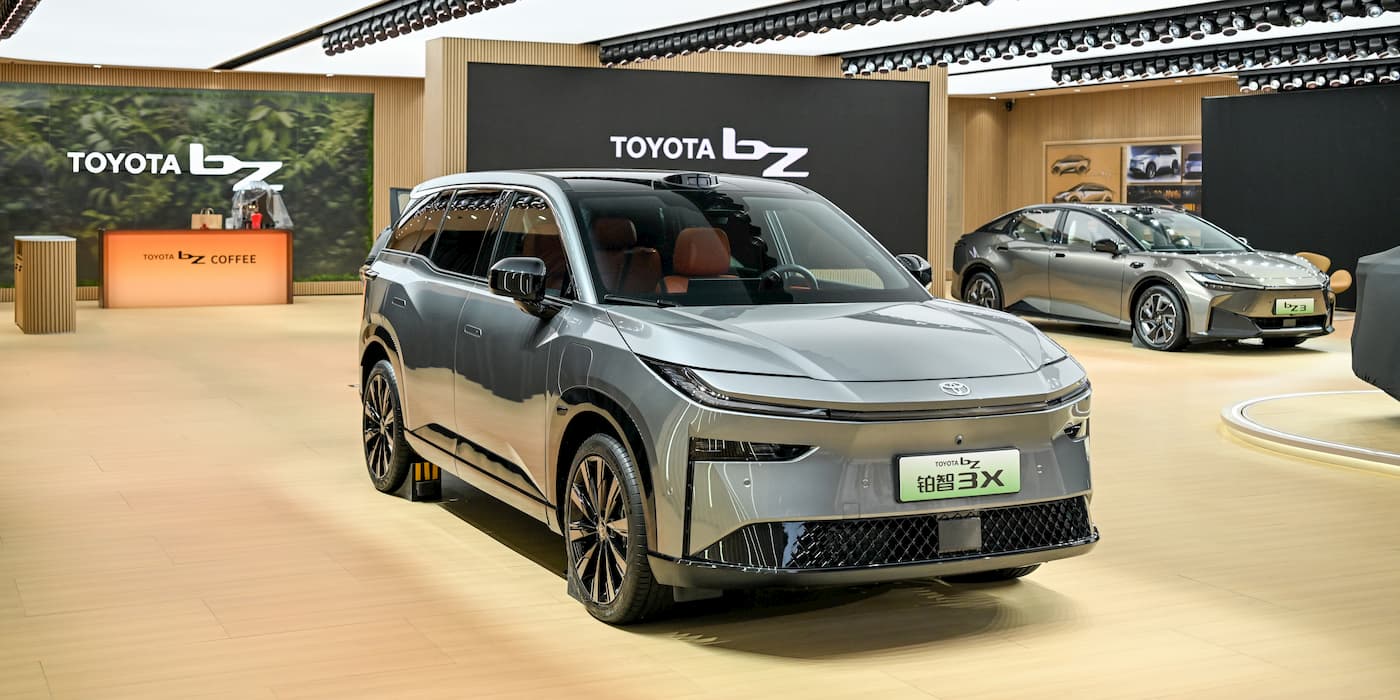
The bZ3X, Toyota’s most affordable EV launched at 109,800 yuan ($15,800), is already based on this groundbreaking platform. Looking ahead, the bZ7 electric sedan will be the first vehicle to utilize the next-gen NEV platform, expected to debut in March 2026.
Integrating Advanced Technology
In partnership with Xiaomi, Toyota plans to integrate a variety of smart devices, creating a seamless connection between home and vehicle. This will introduce a new dimension to user interaction and convenience in EV usage.
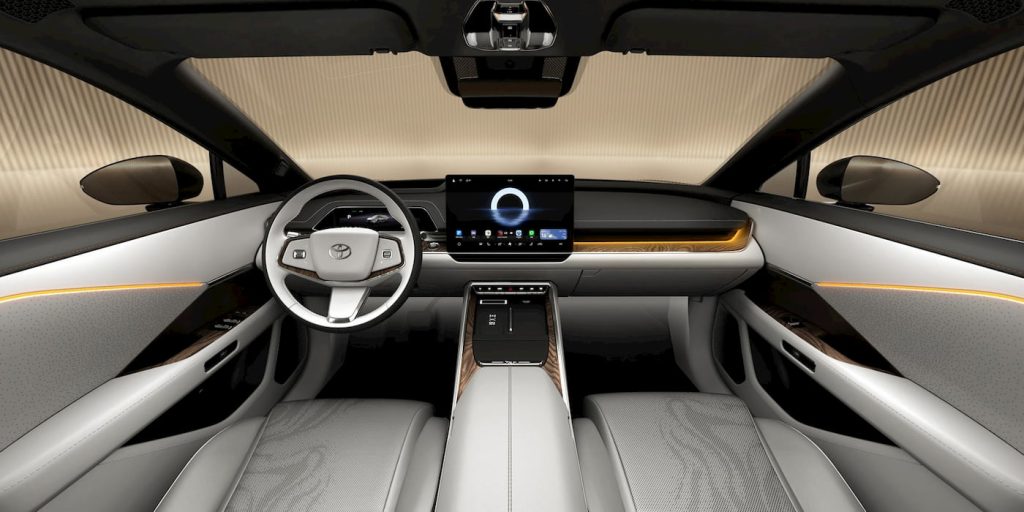
The bZ7 will also be the first to implement Huawei’s new HarmonyOS 5.0, enhancing the in-car performance via a 15.6-inch infotainment display. Furthermore, a collaborative effort among Toyota, Huawei, and Tencent is underway to develop a cutting-edge AI voice assistant, anticipated to launch by 2028.
Enhancing Smart Driving Capabilities
Toyota is transitioning to Momenta’s latest smart driving system, Version 6.0, in its upcoming vehicles. The bZ3X is set for an upgraded integration of this technology, which introduces over 50 new smart driving features aimed at enhancing user experience.
The upgraded system will even incorporate internal sensors to monitor driver behavior in real-time, ensuring a safer driving environment. This shift toward advanced smart driving reflects Toyota’s commitment to elevating its presence in the EV market.
A Strategic Move for the Chinese Market
Toyota’s bold strategies highlight its intent to adapt and thrive in the rapidly shifting EV landscape. As it marks its 60th anniversary in China, the company aims to leverage local innovation and consumer insights to redefine its products and offerings. With significant sales growth and successful product launches, including the bZ3X, Toyota’s future in the largest EV market appears promising.
Continuous developments and partnerships signal a new era for Toyota, focusing on sustainability and advanced technology in the electric vehicle sector. Observing consumer responses and sales figures in the coming months will provide clarity on how well these strategies resonate with the market.
Toyota’s Strategic Partnerships with Chinese Tech Giants for Electric Vehicles
Toyota is making significant strides in the electric vehicle (EV) market through strategic collaborations with leading technology companies in China. Recently, GAC Toyota announced new alliances with tech giants Huawei, Xiaomi, and Momenta during its Tech Day event, signifying a bold step toward enhancing its EV offerings.
Forming Powerful Alliances in the EV Landscape
At the Tech Day event, GAC Toyota emphasized the importance of these partnerships, indicating that they represent a turning point in how the company approaches EV technology and innovation. The alliances are particularly focused on integrating advanced software, artificial intelligence (AI), and smart driving features into Toyota’s future electric vehicles.
Revamping the Electric Vehicle Ecosystem
GAC Toyota is not just refining existing technologies but is also in the process of building an entirely new ecosystem centered around software and intelligent driving capabilities as part of its “China R&D 2.0” strategy. This ambitious initiative aims to set a new standard for electric vehicles by promoting seamless integration between technology and automotive design.
Next-Generation Platforms and the bZ7 Sedan
During the event, GAC Toyota unveiled its next-generation electronic architecture along with two new energy vehicle (NEV) platforms. One of these platforms is specifically designed for fully electric vehicles, beginning with the release of the bZ7 electric sedan, expected to launch in March 2026.
Enhancing Driver Experience Through Technology
The upcoming bZ7 electric sedan will integrate smart devices from Xiaomi, creating a connected experience that links home automation with in-car features. Additionally, it will be the first vehicle to run on Huawei’s new HarmonyOS 5.0, which promises improved infotainment performance through a state-of-the-art 15.6-inch display.
Advanced AI and Smart Driving Features
Incorporating Momenta’s latest smart driving system will enable the bZ7 to deliver an impressive array of over 50 new smart driving features. This upgrade will enhance functionality and introduce internal sensors that adapt the driving experience in real time, ensuring both safety and comfort for users.
Impact on Sales and Market Growth
Toyota’s move to collaborate with China’s leading technology firms reflects its commitment to driving innovation in the largest EV market globally. Initial sales figures for the bZ3X, another new electric SUV, indicate strong demand, with reports of over 10,000 orders in just one hour after its launch. Overall, Toyota has experienced a notable 20% increase in sales in China, highlighting the effectiveness of its shift toward NEVs and enhanced dealership promotions.
Conclusion: A New Era for Toyota in China
As Toyota embarks on this ambitious journey to redefine its presence in the electric vehicle sector, the partnerships with Huawei, Xiaomi, and Momenta are expected to play a critical role in its success. This strategic approach not only strengthens Toyota’s technological prowess but also positions the company for sustained growth in a rapidly evolving market.
