


Significant Achievements of South Asian Writers at the Booker Prizes
Over the past four decades, South Asian authors writing in English have made remarkable strides at the Booker Prizes, known for honoring the finest literary works in the UK and Ireland. Notable winners include Salman Rushdie, who first won in 1981 with his groundbreaking novel Midnight’s Children, alongside esteemed writers like Arundhati Roy, Kiran Desai, and Aravind Adiga. The most recent recognition went to Sri Lankan author Shehan Karunatilaka, celebrated for his novel The Seven Moons of Maali Almeida in 2022.
Geetanjali Shree’s Pioneering Win with “Tomb of Sand”
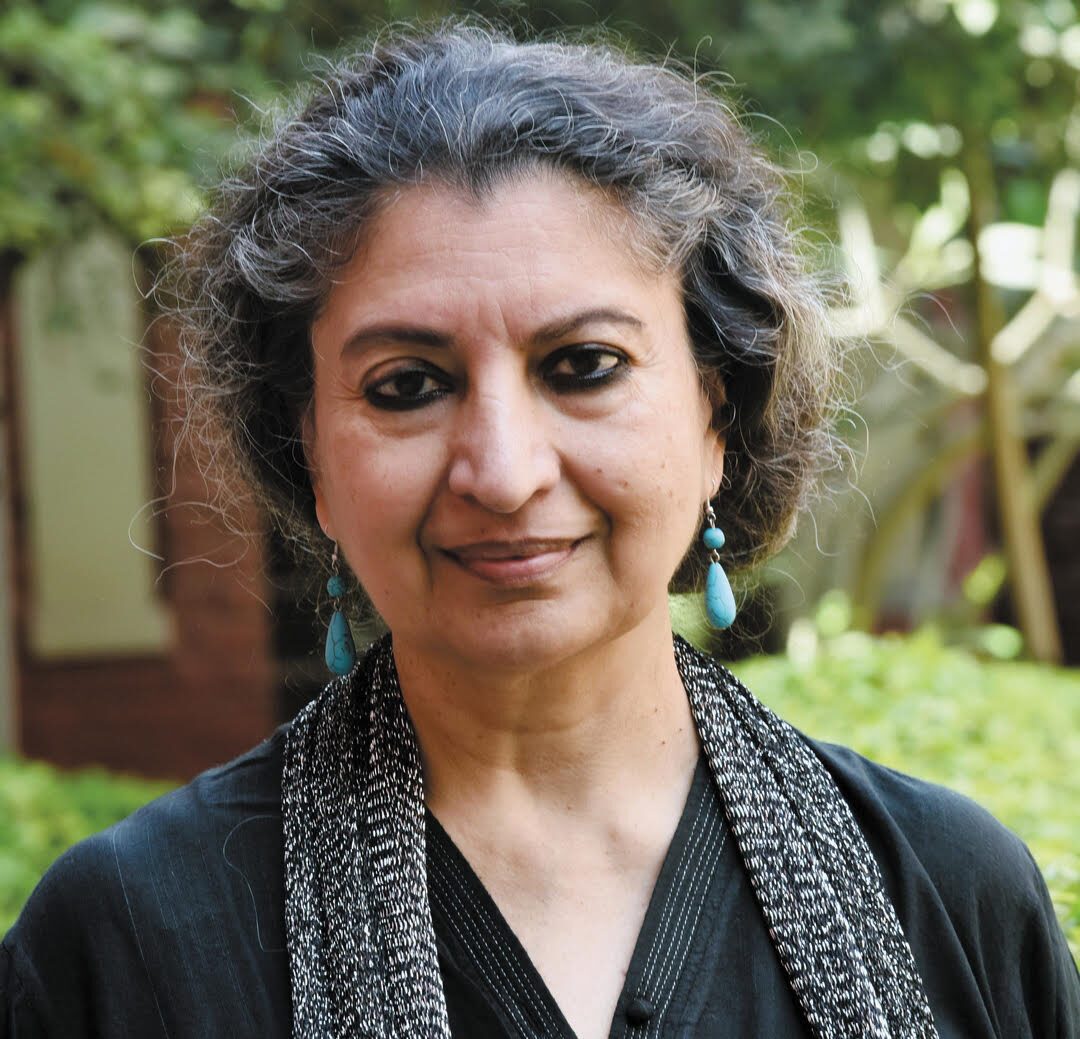
In 2022, the spotlight shone brightly on Geetanjali Shree, a sixty-five-year-old Indian author, whose novel Tomb of Sand has made waves by securing the Booker International Prize. This monumental win marks the first time a book translated from Hindi has received this honor in the prize’s nearly twenty-year history. The novel, translated by Daisy Rockwell, tells the poignant journey of an elderly woman who embarks on a life-changing journey across an old border.
Celebrating Cultural Diversity in Literature
In her acceptance speech, Shree spoke passionately about the vibrant literary tradition in Hindi and other South Asian languages, emphasizing that the world of literature will benefit from recognizing the wealth of voices that these languages offer. Her words highlight the importance of diverse storytelling in enriching global literature, offering new vocabulary and perspectives on life.
Insights from an Award-Winning Author
During a virtual interview, Shree expressed her natural inclination to write in Hindi, stating that it is the most authentic medium of expression for her as a writer. She reflected on the colonial past that often places English at the forefront while emphasizing that writing in one’s mother tongue should be the norm, not an exception.
Thematic Depth in “Tomb of Sand”
When discussing Tomb of Sand, Shree noted that her works often explore themes of family, femininity, and societal boundaries. Providing insight into her creative process, she explained how even the most mundane aspects of life can connect to profound themes, each layered with meaning. Her approach resonates with the sentiment of celebrated poet A.K. Ramanujan, who believed that stories find us when we allow ourselves to be receptive to them.
Nurturing Relationships within the Literary Community
Shree’s dedication to literature extends to her connection with fellow writers, specifically her deep admiration for the late Krishna Sobti, another significant figure in Hindi literature. She explained how their relationship fostered a nurturing environment within Delhi’s informal literary community, where writers support and challenge one another while navigating the complexities of literary expression in India.
The Challenge and Hope for Translations
Despite the recognition of Shree’s work, she acknowledges the challenges faced by Indian literature on global platforms, primarily due to the dominance of the English language. She advocates for increased translation efforts, asserting that a greater exchange between different Indian languages can enrich the literary landscape. The recent interest in translated works at global events like the Frankfurt Book Fair shows that positive change may be on the horizon.
Conclusion: Writing in a Changing World
Amidst a global rise in right-wing nationalism, Shree remains optimistic. She emphasizes that writers must continue their craft, as evoking change through storytelling is vital, even in an atmosphere of fear. The resilience of writers in India and across the world demonstrates a commitment to creativity and cultural expression, ensuring that diverse voices continue to thrive.
This HTML structure creates a well-organized article, including headings and paragraphs to enhance readability while also being SEO-optimized through the use of relevant keywords naturally woven into the text.
The Impact of South Asian Literature on the Global Stage
Celebrating Literary Achievements
In recent decades, South Asian authors have gained remarkable recognition within the literary world, particularly at prestigious events such as the Booker Prizes. Luminaries like Salman Rushdie and Arundhati Roy have paved the way for emerging talents, culminating in the historic recognition of Hindi literature through Geetanjali Shree’s groundbreaking work, Tomb of Sand.
Geetanjali Shree’s Groundbreaking Achievement
The remarkable feat achieved by Geetanjali Shree, who received the Booker International Prize for her novel Tomb of Sand, marks a significant shift in the literary landscape. This was the first time a book translated from Hindi won this coveted award, signaling the increasing global appreciation for diverse voices from South Asia.
The Essence of Tomb of Sand
Tomb of Sand intricately explores themes of identity, womanhood, and familial bonds through the journey of an elderly woman named Ma. Her adventure of cross-border discovery challenges societal norms, offering both humor and profound reflections on life and relationships.
The Role of Language in Storytelling
In an engaging discussion, Shree emphasized the importance of writing in one’s mother tongue. She described how the act of storytelling in Hindi, her native language, allows for a deeper connection to her own cultural roots and expresses an authentic narrative that transcends mere translation.
Women as Central Figures in Literature
Throughout her literary career, Shree has consistently showcased the complexities of women’s lives and their stories. In her writing, she elegantly weaves humor and depth, presenting characters whose lives resonate with universal themes while grounded in their cultural context. This creative exploration highlights the multifaceted nature of women’s experiences.
The Literary Community in India
The vibrant literary community in Delhi plays a crucial role in nurturing writers like Shree. This informal yet dynamic network fosters collaboration, mentorship, and the exchange of ideas among authors. Shree’s admiration for her literary mentor, Krishna Sobti, underlines the significance of supportive relationships within this community.
The Future of Indian Literature
As the global literary scene evolves, the need for more translations from Indian languages is becoming increasingly crucial. Shree asserts that enhancing the accessibility of these works could bridge cultural divides and enrich world literature. The recent successes seize an opportunity to promote South Asian literature on an international scale, igniting interest in translated works and diverse narratives.
