


By Tashi McQueen
AFRO Staff Writer
tmcqueen@afro.com
Empowering Black Men: Accessing Mental Health Resources
Across the United States, male-focused organizations are stepping up to provide essential services designed to aid Black men and boys in addressing mental health challenges and preventing suicide. A growing awareness of the importance of mental health within the Black community is being recognized as key to overall wellness.
National Initiatives Focusing on Wellness
On a national scale, initiatives such as Black Men Heal are crucial in providing culturally informed mental health care for Black men. Founded by Tasnim Sulaiman, the organization aims to disrupt existing mental healthcare systems that fail to cater to the unique needs of this demographic.
“Black Men Heal was created to be a disruption to an already broken mental healthcare system,” Sulaiman states. “Intergenerational trauma and systemic racism significantly affect the mental well-being of the Black community.”
Staggering Disparities in Mental Health Care Access
According to the report “Deconstructing Stigma: Changing Attitudes About Mental Health,” only 25% of Black Americans pursue mental health care compared to 40% of White Americans. This stark disparity can be attributed to a lack of tailored resources, pervasive stigma, and prohibitive costs associated with mental health services.
Black Men Heal addresses this gap by offering free therapy sessions led by licensed and pre-licensed clinicians of color, fostering a sense of community among participants.
Local Initiatives Making a Difference
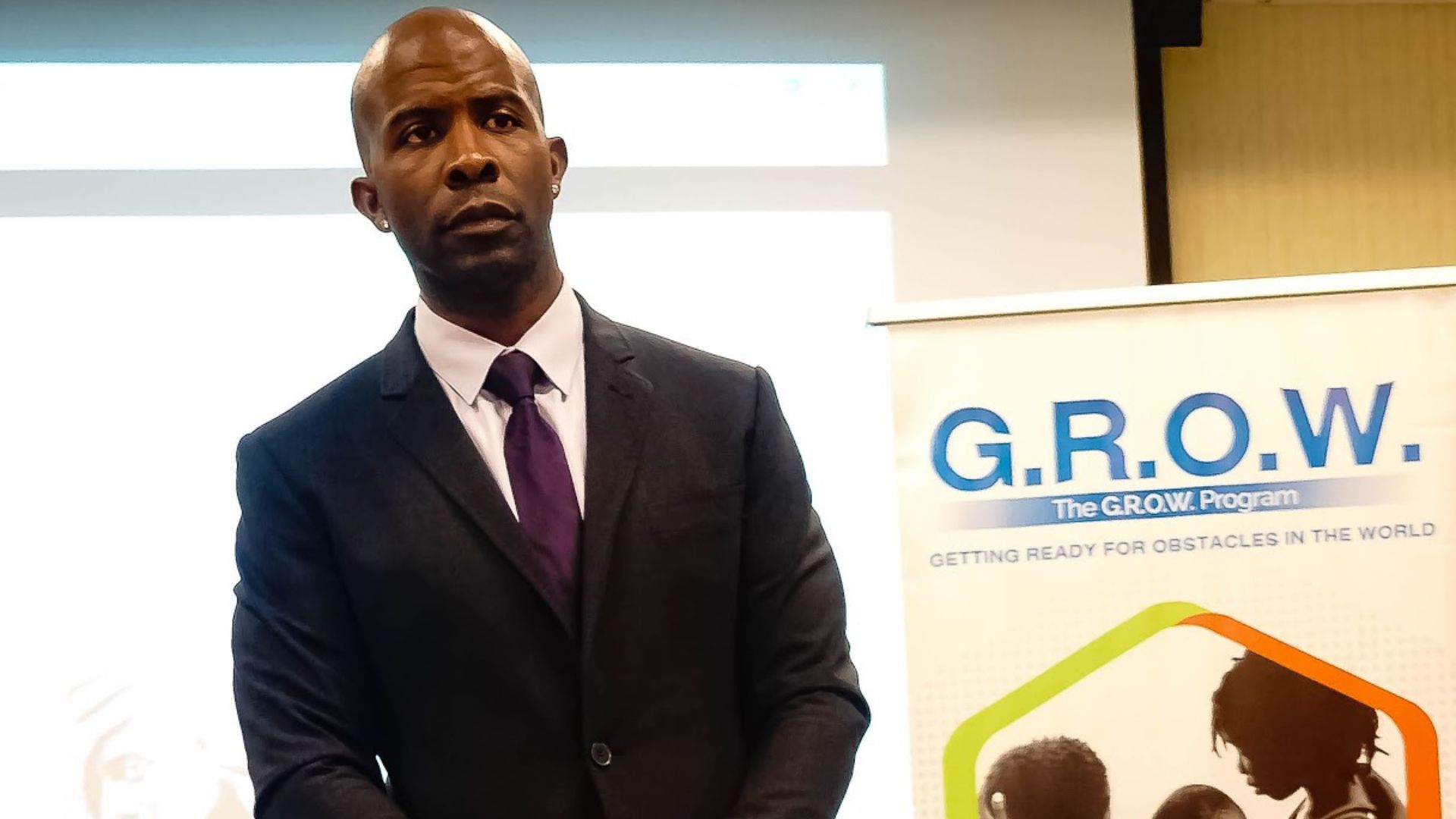
At the local level, the G.R.O.W. Program in Baltimore, under the leadership of CEO Diwee Sewell, is dedicated to supporting youth aged 9-17 through health, wellness, and workforce training initiatives. Programs like Cash App Classroom promote financial literacy, while Learn to Earn offers paid skill development opportunities.
“We offer male counselors who share cultural backgrounds with participants, helping them build strong, meaningful connections,” Sewell explains. “Programming is tailored around participants’ interests to create a nurturing environment.”
Success Stories from the G.R.O.W. Program
Ahkeem Fretman, 31, a proud participant of the G.R.O.W. Program, describes it as a supportive brotherhood that provides essential life skills. “The G.R.O.W. program is like a mentorship and big brother program, where you learn important real-world skills,” Fretman shares.
With the guidance provided, he has successfully navigated challenges related to attention-deficit and hyperactivity disorder (ADHD), learning to manage his emotions and focus better through culturally aligned mentorship.
Holistic Approaches to Mental Health
Sewell notes that the G.R.O.W. Program employs cognitive behavioral therapy (CBT) and dialectical behavior therapy (DBT) to equip young men with strategies to cope with life’s challenges. “We teach them the power of thought and how to replace negative patterns with positive actions,” he adds.
Fretman encourages parents to consider the G.R.O.W. Program as a safe space for their children to learn, grow, and thrive.
Join Our Community for Ongoing Coverage
If you want access to insightful coverage that resonates with Black communities, join our Daily eBlast. For over 133 years, we have been committed to telling the stories that matter.
Mental Health Initiatives for Black Men and Boys
By Tashi McQueen, AFRO Staff Writer
Transformative Support for Mental Health
Across the United States, organizations focused on men’s health are expanding their services to ensure that Black men and boys receive the necessary resources to tackle mental health challenges and prevent suicide. These initiatives strive to integrate mental health awareness into their missions, emphasizing its importance for overall wellbeing.
Breaking Barriers with Culturally Relevant Care
At the forefront of these efforts is Black Men Heal, a national initiative founded by Tasnim Sulaiman and Zakia Williams. This organization aims to disrupt the failures of the current mental healthcare system by providing culturally informed support. “Intergenerational trauma and systemic racism have taken a toll on the mental health of the Black community,” says Sulaiman, highlighting the urgent need for tailored mental health resources.
Challenges in Seeking Help
Statistics reveal that only 25% of Black Americans seek mental health care, compared to 40% of their White counterparts. This disparity is attributed to factors like stigma, lack of accessible resources, and high costs. Black Men Heal is helping to close this gap by offering free therapy sessions with clinicians who share similar backgrounds and experiences, fostering safe spaces for discussion and healing.
The G.R.O.W. Program: Empowering Youth in Baltimore
In Baltimore, the G.R.O.W. Program is making significant strides in mentoring young men aged 9 to 17. Led by Diwee Sewell, this nonprofit focuses on emotional intelligence, health, and workforce training. Initiatives like Cash App Classroom teach financial literacy, while Learn to Earn provides paid skill development opportunities, nurturing life skills essential for future success.
Building Community Through Mentorship
Participants describe the G.R.O.W. Program as a brotherhood, highlighting the supportive environment it fosters. Ahkeem Fretman, a beneficiary of the program, emphasizes the significance of mentorship in managing challenges such as ADHD. With culturally aligned male counselors, the program strengthens bonds and empowers youth to learn and grow together, creating a familial atmosphere.
Innovative Approaches to Mental Wellbeing
Utilizing techniques like cognitive behavioral therapy and dialectical behavior therapy, the G.R.O.W. Program enables young men to develop coping strategies and problem-solving skills. Sewell emphasizes teaching participants to recognize and replace negative thought patterns with positive ones, ultimately fostering better mental health outcomes.
A Bright Future for Mental Health Advocacy
As organizations like Black Men Heal and the G.R.O.W. Program continue to pave the way for mental health support within the Black community, it is evident that connection and mentorship are powerful tools for healing. These initiatives not only address immediate mental health needs but also contribute to long-term wellness and empowerment for Black men and boys.
