


Since 2010, I’ve embraced the digital nomad lifestyle as a writer and online English teacher, journeying through over 30 countries across five continents, always relying on thousands of WiFi networks. However, I quickly discovered that rapid travel was not my style.
Finding My Rhythm on the Road
While some digital nomads thrive on a whirlwind of back-to-back flights and constant change, I found this pace draining. My attempts to traverse Southeast Asia within mere days at each location left me fatigued; touring India in a hurry seemed equally unfulfilling. The key for me was to slow down.
The Benefits of ‘Slowmadism’
Spending three months in four different towns in Latin America brought me the balance I craved. An eight-month stay in Grenada felt perfect, and a year spent between a town in Egypt and a city in Israel provided substantial stability. In today’s digital nomad community, the conversation often leans toward both celebration and criticism of this lifestyle.
Addressing Criticisms of Digital Nomadism
A search for digital nomad stories uncovers numerous articles featuring disillusioned nomads who have thrown in the towel. They often cite challenges as reasons for abandoning the lifestyle, claiming digital nomadism is a sham. Yet, many issues can be managed with foresight and planning. I’ve worked remotely from “impossible” tropical destinations by creating routines, building community, and securing reliable internet.
Staying Connected in Remote Locations
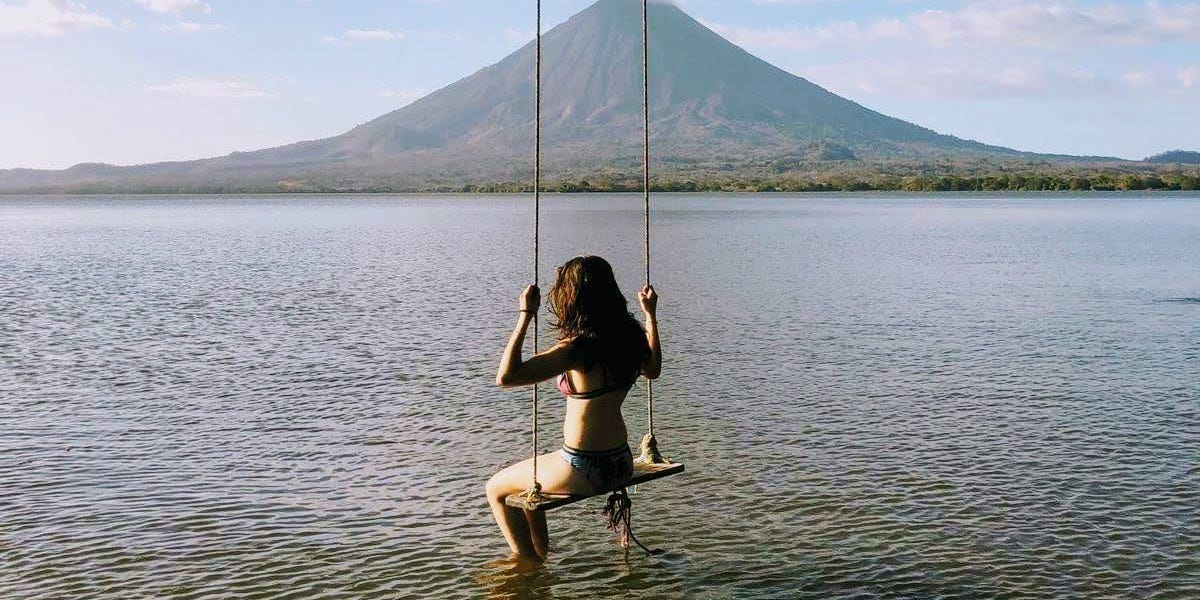
One significant contributor to digital nomad burnout is the struggle for reliable internet. Adopting a slower pace allowed me to mitigate this concern. When moving is necessary, I rely on meticulous persistence—whether it’s testing multiple networks in Koh Lipe or finding a landline in the jungle of Ometepe Island.
Building Community on the Road
Loneliness is another common issue many nomads face. By committing to longer stays, I’ve had the opportunity to cultivate friendships and deepen relationships. Hosting events, such as meditation groups and game nights, has been an effective strategy to connect with like-minded individuals while traversing the globe.
Financial Stability Through Slow Travel
Financial constraints can lead many nomads to retreat home. However, practicing ‘slowmadism’ means I often save money by staying in one place. Frequent relocations disrupt consistency and productivity, making it draining to seek out new gyms, workspaces, and doctors. By choosing to stay put and build routines, I’ve found a sustainable way to continue my nomadic journey.
Determining Your Ideal Travel Pace
Your ideal travel pace is entirely personal. I recommend committing to two bases for six months to a year, allowing for shorter trips to nearby locations for added variety. Currently, I’m cycling slowly between two bases in Thailand, enjoying the novelty while maintaining routines and fostering deeper connections. Digital nomadism doesn’t have to be a relentless pursuit; ‘slowmadism’ offers a sustainable, enriching alternative that has enhanced my journey.
If you have insights or experiences to share about life as a digital nomad, feel free to reach out to the editor at akarplus@businessinsider.com.
The Joys of Embracing a Slower Nomadic Lifestyle
In the world of digital nomadism, the allure of travel often comes hand-in-hand with the pressure to constantly move. However, many individuals find that slowing down offers a richer and more fulfilling experience. This approach, often referred to as “slowmadism,” allows for deeper connections, enhanced productivity, and a more stable lifestyle.
The Challenge of Fast-Paced Travel
Fast travel may appeal to some, promising exciting new destinations every few days. Yet for many, this pace can quickly lead to burnout. Constantly hopping from one location to another can be exhausting and prevent meaningful experiences from taking root. Transitioning to a slower approach enables travelers to truly immerse themselves in new cultures and environments.
Creating a Sustainable Travel Routine
To embrace slowmadism effectively, creativity and resourcefulness are essential. Spending extended periods in a single location allows for routine formation and the establishment of a supportive community. This stability can be particularly beneficial for managing work commitments alongside travel.
Overcoming Connectivity Challenges
One significant hurdle many nomads face is finding reliable internet. By slowing down, individuals can spend more time assessing options before committing to a location. Research and persistence play key roles here, whether it’s testing various networks or seeking recommendations from locals online.
Building Meaningful Connections
Another common struggle among nomads is loneliness, but taking the time to settle in one place often leads to more opportunities for connection. Hosting events or joining local groups can facilitate friendships, creating a sense of belonging and community. Engaging actively in a new environment can transform isolation into warmth and camaraderie.
Financial Benefits of a Slower Pace
Frequent movement not only strains one’s personal energy but can also take a toll on finances. Slowing down allows for better budgeting and financial planning, as individuals can take advantage of lower long-term rental rates and reduced travel expenses. This approach can free up resources for both travel and leisure activities.
Finding Your Ideal Travel Tempo
The pace at which one travels is deeply personal and varies by individual. Opting for two home bases for longer stays, interspersed with shorter trips, may strike the perfect balance. This method allows for the excitement of discovery, as well as the comfort of routine, enhancing both personal and professional aspects of life.
Conclusion: Embracing the Slowmad Life
Slowing down doesn’t mean giving up on the nomadic lifestyle; rather, it offers a sustainable way to enjoy the freedom and adventure that comes with it. By prioritizing connection, stability, and fulfillment, many travelers find a renewed appreciation for their journeys. If you’re considering a more sustainable path in your travel experiences, exploring slowmadism might be the right choice for you.
If you have insights or experiences to share about the slowmad lifestyle, we invite you to reach out and contribute to this evolving narrative.
