


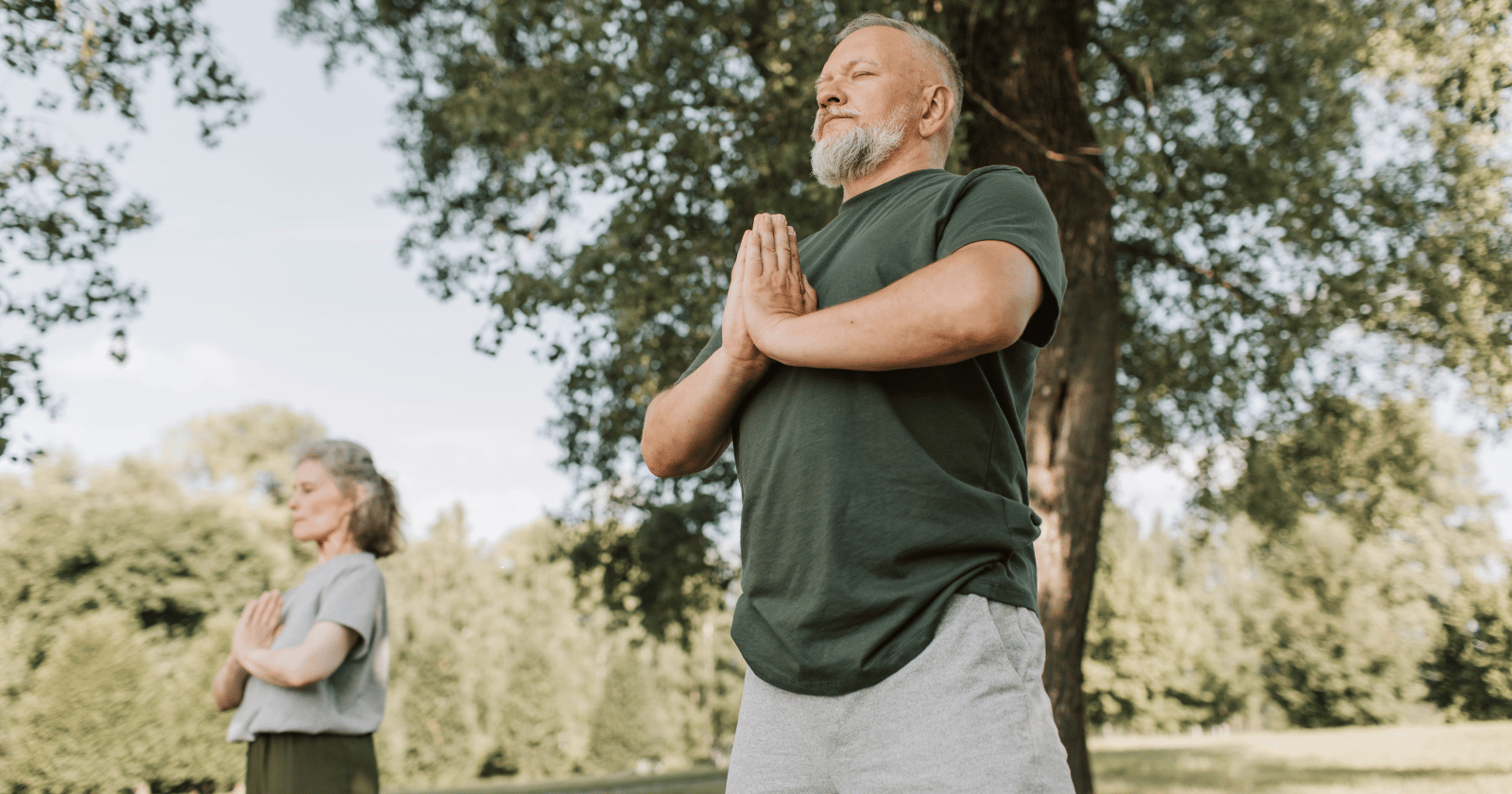
Modern wellness trends often give the impression that our generation is pioneering health and self-care. We see cold plunges, trendy yoga studios, and pricey green juices transforming lifestyles. However, the truth is that many of these wellness habits are not new—they’re deeply rooted in practices of previous generations, particularly Boomers.
What Millennials and Gen Z refer to as self-care often mirrors the upbringing of Boomers, who naturally embraced habits that today’s science validates as beneficial for longevity and happiness. They might not have labeled it “wellness,” but to them, it simply meant living well.
Walking: A Natural Habit
Long before walking became a commercialized fitness trend, Boomers integrated it into their everyday lives. They walked to school, mailboxes, and friends’ homes—a necessity rather than a choice. I recall visiting my grandparents in a small beach town, where after-dinner strolls were seamless parts of their routine. They referred to it as simply “stretching our legs,” but it cultivated community, alleviated stress, and kept them physically active.
Consuming Real Food
In an age where “organic” is a marketing term, Boomers consistently opted for whole foods out of habit. Home-cooked meals filled with local produce were the norm, not a trend. With the recent plant-based food movement, it’s evident that this generation understood balanced diets long before they were promoted as such. The simplicity of cooking meals at home using recognizable ingredients is a timeless approach, echoing the very essence of what modern nutritionists recommend.
The Importance of Sleep
As awareness around sleep health rises, many are investing in gadgets to enhance their sleep quality. However, Boomers navigated life without these tools, prioritizing restful sleep instinctively. Back then, the absence of digital interruptions allowed for natural winding down, significantly impacting their sleep cycles positively. Today, neuroscience validates the detrimental effects of blue light on sleep, but Boomers inherently respected their natural rhythms, resulting in richer, more restorative rest.
Community Connections
In today’s digital age, loneliness is increasingly recognized as a public health concern. Unlike us, Boomers had tight-knit community structures, frequently connecting at church events, neighborhood gatherings, and casual get-togethers. These regular interactions fostered strong social bonds devoid of modern technology’s mediation. The rise of coworking spaces and group fitness classes today seeks to replicate the organic connections Boomers experienced effortlessly.
Embracing the Outdoors
While some people pay for retreats focusing on nature, for Boomers, being outside was an ordinary aspect of life. They gardened, engaged in outdoor hobbies, and found solace on porches. Recent studies indicate that even brief outdoor time can boost mood and reduce stress. However, Boomers didn’t need research to appreciate nature’s benefits; they embraced it daily, highlighting a natural and accessible wellness practice.
Consistency Over Trends
In our fast-paced, trend-driven society, Boomers possess a unique strength: their ability to value enduring practices over fleeting wellness fads. They’ve seen diet trends rise and fall yet adapted by choosing moderation and consistency. Many older adults, like my friend’s father, recognize that their health philosophy centers on simplicity—using less rather than jumping on the latest health bandwagon.
Purpose Through Routine
The psychological benefits of routine often go uncredited in the wellness discussion. Boomers built lives around structured rhythms—morning rituals, family meals, and weekly chores. Research consistently supports these routines as sources of reduced anxiety and greater satisfaction. By establishing predictable daily activities, they found stability and peace, demonstrating that wellness often thrives within the framework of consistency and predictability.
Ultimately, Boomers didn’t merely “get lucky” with their health; they developed lifestyle practices aligned with fundamental principles of community, simplicity, and nature. Their commitment to walking, whole foods, sleep quality, social connections, outdoor activities, and a disregard for fleeting trends merely reflect common sense. Perhaps the future of health lies not in discovering new rituals but in rediscovering tried-and-true habits that have stood the test of time.
The Timeless Principles of Healthy Living
The concept of wellness is often viewed as a modern phenomenon, with trendy practices like cold plunges and green juices capturing our attention. However, many of these wellness habits are not groundbreaking; rather, they are time-honored principles that have guided generations before us.
It’s fascinating to observe that much of what today’s younger generations perceive as progressive self-care is, in fact, a reflection of the lifestyles that older generations upheld instinctively. Long before popular wellness apps emerged, previous generations embraced simple habits that promote longevity and overall happiness.
1. Embracing Daily Movement
Walking has a rich history as a fundamental mode of transportation. Many individuals from older generations walked everywhere—school, work, and social gatherings. This natural form of low-impact exercise fostered physical health as well as social connections. Studies indicate that consistently walking can significantly lower mortality risks, proving that regular movement is essential for a lengthy, healthy life.
2. Choosing Whole Foods
Before the rise of “clean eating,” many families prioritized cooking with fresh, wholesome ingredients. Community gardens and home-cooked meals were the norm, emphasizing a diet that naturally balanced nutrition. Today’s trends echo these principles, as modern nutritionists advocate for whole, minimally processed foods that are easy to recognize and prepare.
3. The Importance of Sleep
Quality sleep is gaining recognition as a crucial element for overall wellness. In earlier generations, individuals often adhered to a natural sleep schedule, free from digital distractions. As research shows, minimizing screen time before bed can contribute to more restorative sleep. A return to these practices might enhance our nightly rest, demonstrating that simplicity can foster improved health outcomes.
4. Fostering Community Connections
In recent years, the issue of loneliness has been highlighted, revealing its detrimental effects on health. Earlier generations thrived in close-knit communities, engaged in social activities without the need for digital platforms. These genuine connections provided stability and emotional support, a practice increasingly recognized as vital for mental well-being today.
5. Outdoor Engagement
Spending time outdoors has been linked to numerous health benefits, yet it was once a customary part of everyday life. Gardening, leisurely walks, and communal outdoor events were regular activities. Research now emphasizes the positive effects of nature on mental health, reinforcing the idea that engagement with the outdoors is both refreshing and restorative.
6. The Value of Consistency
While trends come and go, older generations displayed resilience by sticking to what worked. A focus on moderation rather than extreme diets allowed for sustainable health practices over time. The importance of reliability in daily habits is often overlooked in today’s fast-paced environment, but it may very well be the key to longevity.
7. Finding Purpose in Routine
Establishing a routine can lead to psychological stability, a principle that has resonated through generations. Consistent daily habits not only reduce decision fatigue but also provide a sense of peace and clarity. Whether it’s a morning ritual or evening wind-down, finding structure can enhance overall life satisfaction.
The Takeaway
As we navigate the complexities of modern life, revisiting the foundational principles upheld by previous generations can be enlightening. From mindful eating and fostering connections to engaging in movement and embracing the outdoors, these timeless habits encourage a holistic approach to health. The goal is not necessarily about following the latest trends but rather rediscovering what has always been effective in achieving a balanced and fulfilling life.
Discover Your Plant-Powered Purpose
Curious about the role your habits play in shaping a better world? Take this quick quiz to uncover your plant-powered archetype and find out how small changes can lead to meaningful impact.
