


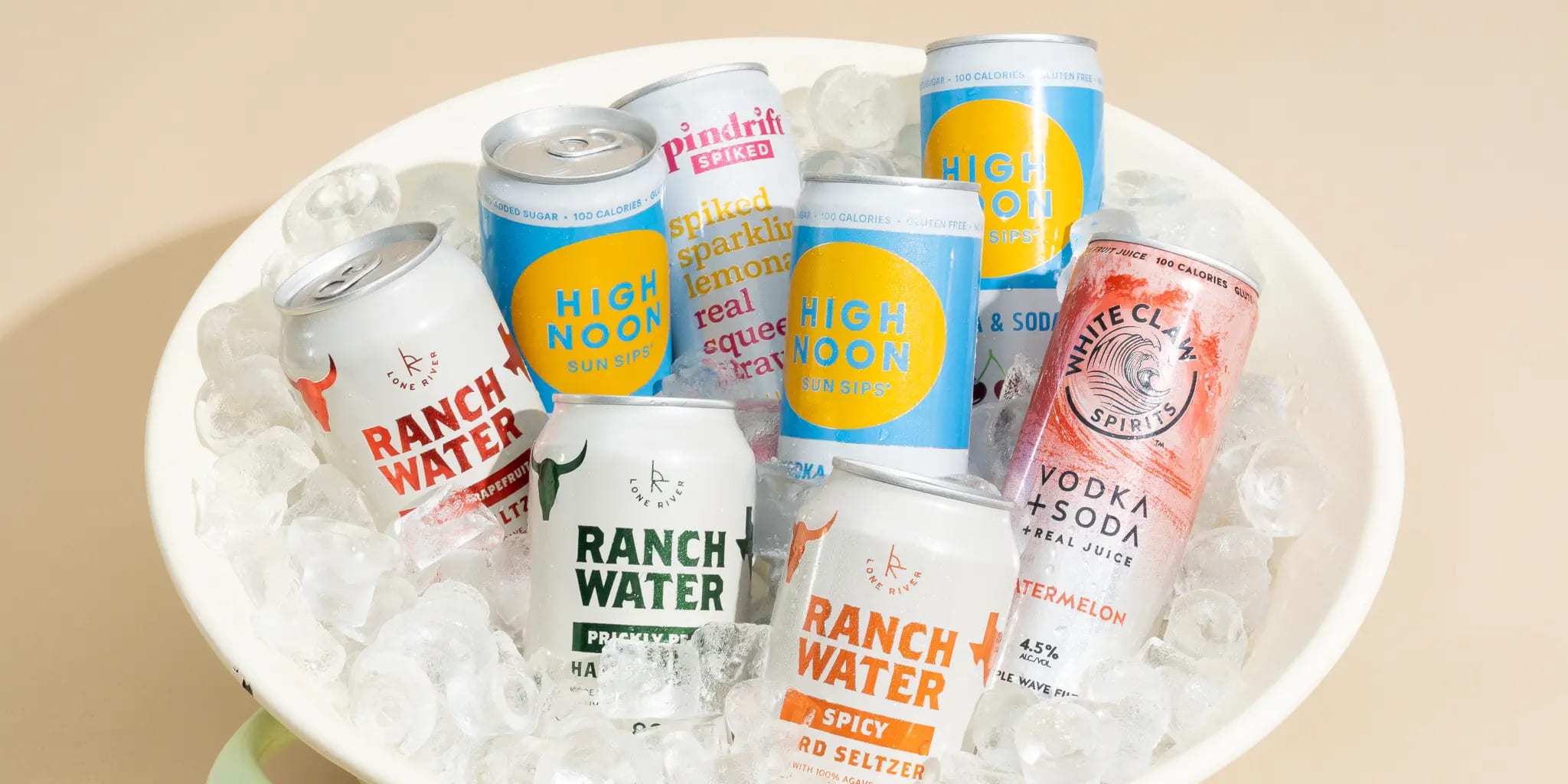
Health-conscious consumers and the fast-paced urban lifestyle are driving the hard seltzer market’s growth. As low-calorie, refreshing alcoholic beverages gain popularity, this sector is bolstered by innovative flavors, eco-friendly packaging, and targeted marketing strategies aimed at younger audiences. According to IMARC Group, the global hard seltzer market was valued at USD 8.8 billion in 2025, with projections estimating it will reach USD 21.9 billion by 2034, marking a CAGR of 10.71% from 2026 to 2034.
Hard seltzers have transitioned from niche products to mainstream beverages, reshaping the alcoholic drink landscape. These carbonated, fruit-flavored drinks combine sparkling water with alcohol derived from fermented sugar or malt, typically containing fewer than 100 calories per serving and minimal sugar. The appeal resonates particularly with millennials and Gen Z consumers, who seek lighter alternatives to traditional beer, wine, and cocktails without sacrificing the social aspects of drinking. A wide variety of flavors—from classic citrus to exotic tropical fruits—offers something for every palate, making these drinks ideal for on-the-go lifestyles and casual gatherings.
Market Growth Drivers: Health and Wellness
The rise in health-consciousness among consumers is transforming alcohol consumption trends, positioning hard seltzers as a favorable choice. Individuals are looking for options with fewer calories and reduced sugar content, which makes hard seltzers an attractive alternative to conventional beers and cocktails. Many of these drinks contain roughly 100 calories per can and only 1-2 grams of sugar, in contrast to the 150-200 calories typically found in regular beer. Furthermore, the trend of mindful drinking encourages moderate consumption of alcohol, paving the way for products with ABV in the 5-6.9% range. CivicScience data indicates that 46% of U.S. adults aged 21 and over have tried hard seltzers, a figure that has increased by seven percentage points since 2020.
Flavor Innovation and Product Diversity
The hard seltzer sector is experiencing explosive flavor innovation, allowing brands to constantly introduce new options to capture consumer interest. From traditional citrus and berry to exotic mango and botanical blends, the diversity is substantial. Seasonal releases and collaborations with popular brands contribute to a vibrant market atmosphere. For instance, Vizzy Hard Seltzer’s launch of the limited-edition Orange Cream Pop flavor in April 2023 exemplifies how unique flavor developments create consumer engagement. According to IWSR and Backbar, this segment showcased a remarkable 130% volume growth in 2020, driven by changing preferences in bars and restaurants.
Effective Marketing Strategies
Strategic marketing plays a crucial role in solidifying hard seltzer’s cultural presence and attracting key demographics. Brands utilize social media influencers, celebrity endorsements, and targeted digital advertising to connect with millennials and Gen Z consumers effectively. White Claw’s global marketing campaign launched in April 2021 showcased diverse creators and spontaneous content that encapsulates the brand’s essence, appealing to consumers beyond traditional alcohol marketing molds. Campaigns often link hard seltzers to outdoor activities, beach culture, and casual social events, constructing lifestyle aspirations that resonate with younger generations.
Trends in Premiumization and Sustainability
As the market matures, a trend towards premiumization is emerging, with brands seeking ways to distinguish themselves and reach higher-margin segments. This includes the introduction of spirit-based seltzers made with vodka or tequila, aiming to attract consumers desiring more refined choices. In a notable partnership, AB InBev’s Nütrl Vodka Seltzer collaborated with Indy Sunglasses in July 2024, highlighting premium brands’ approach to attract lifestyle-driven consumers. Additionally, the focus on sustainable packaging is increasing, as many brands use aluminum cans that offer substantial recyclability and lower carbon footprints.
Global Expansion and Localization Strategies
Despite North America dominating the market with over 81.5% share, the adoption of hard seltzers is rapidly increasing in Europe, Asia-Pacific, and Latin America. To succeed in these regions, brands are implementing localization strategies by developing flavors that cater to local tastes and cultures. In Japan, for example, producers are leveraging advanced fermentation techniques while aligning with local wellness trends through unique offerings like collagen-infused seltzers. SodaStream reported a remarkable 43% year-over-year increase in sparkling water sales in Asia-Pacific, with further investments planned to harness the surging interest in hard seltzers.
Recent Developments in the Hard Seltzer Market
Recent announcements underscore the dynamic nature of the hard seltzer market. In May 2025, Suntory Global Spirits launched the -196 hard seltzer in the U.S., featuring a new strawberry flavor that emphasizes quality and innovation. March 2025 saw Kraft Heinz entering the alcohol market for the first time with the introduction of Crystal Light Vodka Refreshers, expanding its reach within this rapidly evolving segment. Furthermore, Carlsberg completed its acquisition of Britvic plc in January 2025, an alliance expected to foster future innovations in ready-to-drink beverages and hard seltzers.
For those interested in more detailed insights or specific data not covered in this report, we offer a customization service to tailor additional information based on your needs. Please let us know your exact requirements, and we will ensure the report aligns with your expectations.
Exploring the Growth of the Hard Seltzer Market
The hard seltzer market is on the rise, driven by the increasing demand from health-conscious consumers and urban dwellers who seek refreshing, low-calorie alcoholic beverages. Recent market analyses indicate that this sector, which had a valuation of USD 8.8 billion in 2025, is expected to grow substantially, potentially reaching USD 21.9 billion by 2034, demonstrating a compound annual growth rate (CAGR) of 10.71% from 2026 to 2034.
What are Hard Seltzers?
Hard seltzers are carbonated beverages that combine sparkling water with alcohol, which is typically derived from fermented sugar or malt. With each serving generally containing fewer than 100 calories and minimal sugar, they serve as appealing alternatives for those looking for lighter options compared to traditional beers and cocktails. The growing appeal among millennials and Gen Z is fueled by a wide array of flavors, ranging from familiar citrus and berry to unique botanical blends and exotic fruits.
Key Drivers of Market Growth
Several factors contribute to the rising popularity of hard seltzers. The ongoing health and wellness movement influences consumers to favor beverages with lower calorie counts and cleaner ingredient lists. As a result, hard seltzers have emerged as a go-to choice, often containing only 1-2 grams of sugar, making them particularly attractive to a market increasingly focused on mindful drinking. Reports show that nearly half of U.S. adults aged 21 and older have sampled hard seltzer, showcasing its growing acceptance.
Flavor Innovation in Hard Seltzers
The hard seltzer market is characterized by its robust flavor innovation, with brands keen on distinguishing themselves through unique offerings. Seasonal launches and limited-edition flavors have created buzz among consumers, encouraging increased trials. For instance, the introduction of unique flavors and collaborative releases has captured interest. The impressive growth in the segment reflects the changing preferences of consumers toward diverse flavor profiles as establishments expand their drink menus.
Strategic Marketing Approaches
Effective marketing strategies play a critical role in promoting hard seltzers. Brands are increasingly utilizing social media marketing, influencer partnerships, and celebrity endorsements to connect with younger demographics. Campaigns that associate hard seltzers with outdoor events and social gatherings have contributed significantly to building a lifestyle brand. These strategies not only enhance brand visibility but also create relatable content that resonates with potential consumers.
Trends Driving Premiumization in the Market
As the hard seltzer market matures, brands are adopting premiumization strategies, offering higher-quality products to attract discerning consumers. The introduction of spirit-based seltzers—made with vodka or tequila—illustrates this trend. Collaborations with recognizable lifestyle brands further enhance market appeal, allowing for creative marketing avenues and partnerships that enrich the consumer experience.
Sustainability and Global Appeal
Environmental considerations are critical as consumer awareness of sustainability continues to grow. Brands are increasingly adopting eco-friendly packaging solutions, favoring recyclable materials that minimize carbon footprints. With more regions around the globe adopting hard seltzers, localization strategies that tailor products to regional tastes and preferences are essential. Diversifying flavors and cultural relevancy will play a significant role in tapping into international markets, particularly in rapidly growing sectors like Asia-Pacific.
Conclusion: A Promising Future Ahead
The hard seltzer market is not only expanding in scope but is also evolving in terms of innovation, flavor diversification, and marketing strategies. As brands continue to adapt to consumer preferences and societal trends, including health consciousness and environmental responsibility, the landscape of alcoholic beverages is set for continued transformation. With this dynamic market poised for substantial growth, stakeholders and consumers alike can anticipate a bright future for hard seltzers.
This HTML-formatted article provides a comprehensive look into the hard seltzer market while incorporating relevant keywords naturally to optimize for search engines.
