


Listen to article 0:00 min
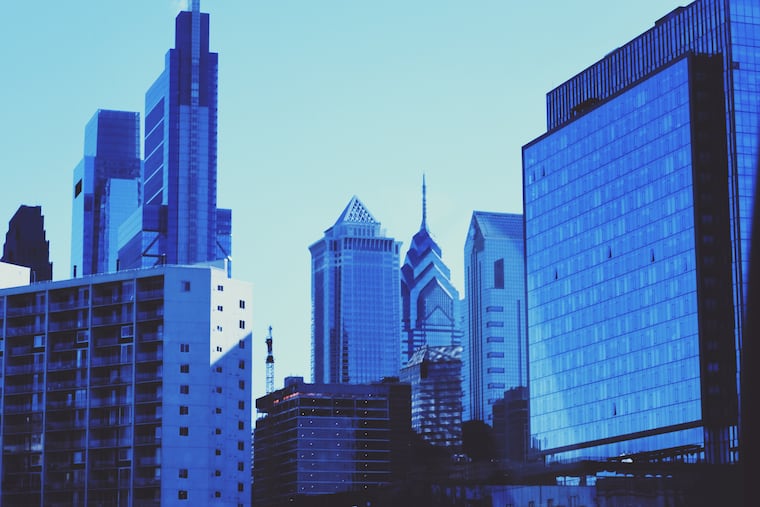
Center City Philadelphia is navigating the aftermath of the COVID-19 pandemic, yet its growing residential population offers a glimpse of hope and revitalization compared to other American downtowns.
Current foot traffic in Center City stands at 80% of 2019 levels, while the office worker presence in the bustling West Market area hovers between 50% and 60%. Despite these challenges, recent data from the Center City District’s State of Center City report highlights a resilient urban core.
Office Vacancy and Development Trends
Center City’s office vacancy rate of 20% is notably lower than many peer cities and much of Philadelphia’s suburban landscape, with only a few suburban areas outperforming West Market Street. This trend reflects a consistent growth in population and a healthy rate of apartment development.
As Prema Katari Gupta from the Center City District stated, “Center City remains a unique intersection where diverse groups converge in the real world, even as daily life increasingly shifts online.” This vitality is evident in areas like Rittenhouse Square and Walnut Street, where foot traffic, though down from pre-pandemic levels, contributes to a vibrant urban atmosphere.
Employment Landscape in Center City
Center City continues to serve as a significant employment hub, housing approximately 10% of all jobs in the larger metro region, with half of the workforce commuting from outside Philadelphia. However, the region’s reliance on a complex blend of business and wage taxes hampers its ability to attract new businesses, as highlighted by Clint Randall, vice president of development with Center City District.
Despite ongoing development, the proportion of jobs situated in Center City relative to the rest of the region has remained stable over the decades. Changing the dynamics would likely require extensive reform of Philadelphia’s tax policies, posing a significant challenge for local leaders.
The Challenging Post-Pandemic Office Market
Similar to trends across the nation (excluding New York City), office vacancy rates in Philadelphia remain above 20%. Yet, when juxtaposed with other cities like Atlanta and San Francisco, which exceed 30%, Philadelphia’s figures reveal a more favorable positioning. The demand for high-quality office spaces remains steady, but only a limited number of large floor offerings are available.
The conversion of 2 million square feet of office space into residential units in the West Market district exemplifies the city’s adaptive reuse strategy, signaling a promising trend as demand for apartments continues to grow.
Center City’s Unique Urban Appeal
With amenities comparable to European urban areas at a fraction of the cost of major American cities, Center City’s success is driving a “flywheel effect.” This dynamic encourages the growth of both residents and developers, making the area increasingly desirable.
In 2023, Center City District recorded over 4,000 units sold or rented in what is termed “Greater Center City,” marking one of the highest performances on record despite a decline in overall population citywide. Data shows that while Philadelphia’s population shrank by 1.6%, Greater Center City experienced a growth rate of 3.3%.
Addressing Urban Challenges
Gupta also highlighted pressing issues that affect Center City’s future, including ongoing funding disputes with SEPTA and the increasing visibility of homelessness in the area. “We shouldn’t allow people to suffer on the streets, as it creates a perception of safety concerns,” she remarked.
Tackling these challenges is essential to ensuring that Philadelphia’s urban environment remains vibrant and inclusive for all of its residents.
Center City Philadelphia: Resilience Amidst Challenges
Discover how Center City Philadelphia is navigating the post-pandemic landscape and what it means for residents and businesses.
Current Landscape of Center City
Center City Philadelphia is demonstrating resilience in the wake of the COVID-19 pandemic. While many U.S. downtowns continue to struggle, the residential population in Center City is thriving, contributing positively to the area’s economic prospects. Foot traffic has rebounded to approximately 80% of pre-pandemic levels, indicating a growing vibrancy in the heart of the city.
Office Market Status
Despite the ongoing effects of the pandemic, the office vacancy rate in Center City stands at 20%, which is relatively low compared to many other urban areas. This statistic is bolstered by the ongoing demand for residential spaces, with numerous development projects underway. While the office worker population has decreased to about 50-60% of its former size, the resilient real estate market indicates a hopeful outlook.
Job Market Insights
Center City remains a vital employment center, housing roughly 10% of jobs in the broader metropolitan area. Suburban commuters represent a significant portion of the workforce, underscoring the area’s importance. However, the region faces challenges related to its tax structure that may hinder sustained growth in job numbers.
Adapting to Changing Work Patterns
Flexibility in work arrangements continues to impact the demand for office space. Despite high vacancy rates, Center City is not alone in facing this challenge; many major cities are experiencing similar trends. The demand for high-quality office space remains, with developers actively converting traditional office buildings into residential structures, further enriching the urban fabric.
The Resurgence of Residential Life
The shift towards residential development is transforming Center City into a dynamic living environment. Recent reports highlight a significant increase in residential units sold or rented in Greater Center City, showcasing a community eager for urban living. Improvements in walkability and amenities continue to attract new residents, fostering a sense of community and entrepreneurial spirit.
Community and Safety Challenges
While the progress in residential growth is promising, challenges remain. Ongoing funding issues for public transit and the visible presence of homelessness are critical concerns. Advocates emphasize the need for solutions that ensure the well-being of all residents, particularly the most vulnerable, to enhance the overall perception of safety in the area.
Looking to the Future
As Center City continues to evolve, the focus will be on adaptive strategies and policy changes that can further boost economic vitality. The commitment to fostering a diverse and inclusive environment remains strong, with efforts aimed at creating a safe, welcoming space for both residents and visitors alike. The future of Center City Philadelphia looks promising, driven by innovation and the resilience of its community.
