


What You Need to Know
Google is transitioning from Fitbit to Google Health, marking a significant update to the health and fitness tracking app. However, this change comes with the removal of several beloved features from the original Fitbit experience. Key functionalities like Sleep Profile, badges, and social elements such as groups and messaging are being discontinued.
New Features and Changes
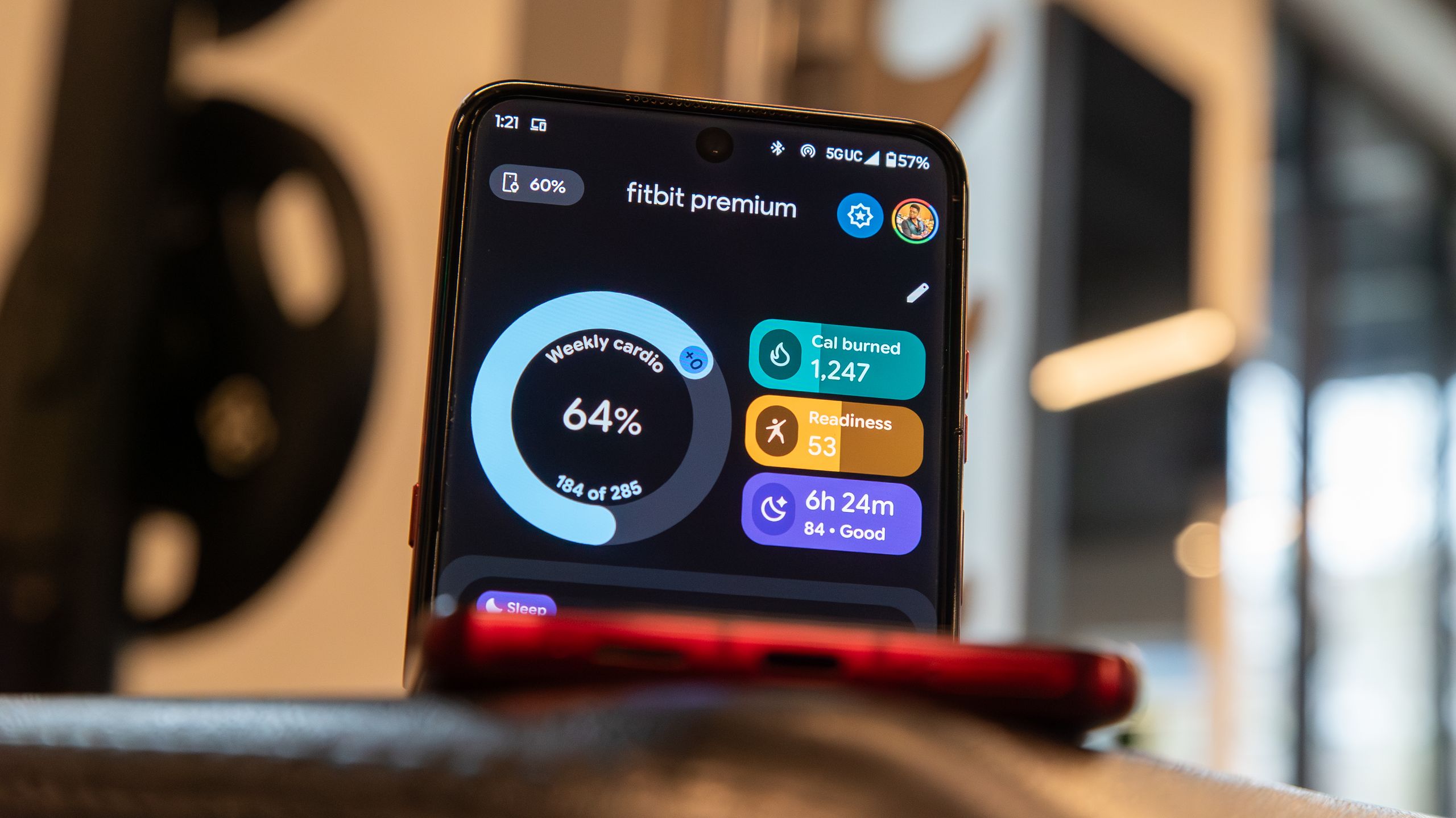
As part of this transition, Google has introduced new metrics, including Resilience and flexible weekly cardio targets, replacing traditional stress scores and daily goals. The rollout coincides with the launch of the Fitbit Air, Google’s competitor to the Whoop band, further establishing the brand’s stronghold in the fitness tracking ecosystem.
Sleep Profile and AI Integration
One significant change users will notice is the removal of the Sleep Profile feature along with its animal-based sleep summaries. Instead, Google Health will adopt a more advanced AI-driven approach via Google Health Premium, allowing users to inquire about their sleep patterns directly. Additionally, users of the Fitbit Sense and Versa 3 will find that the snore detection feature is also being removed.
Oxygen Saturation and Cardio Fitness Updates
The new Google Health app will feature the ability to check oxygen saturation levels using SpO2 data, while the previous Estimated Oxygen Variation (EOV) levels will no longer be available. Furthermore, the core cardio fitness metric is transitioning to standard VO2 max, aiming for a more universally recognized measure of fitness levels.
Weekly Targets and Stress Management
One welcomed change is Google’s decision to replace daily goals with more adaptable weekly cardio targets. This shift allows users to balance their fitness routines according to their lifestyles, accommodating busy days or unexpected downtime. Along with this, the stress score will be replaced by a new Resilience metric, categorized into Optimal, Balanced, or Low to provide clearer insights into mental well-being.
Removal of Social Features
In a move that may disappoint some users, many social features are set to be eliminated. Fitbit badges will no longer exist, and the social profile will now reflect your Google account name and profile picture. Users will also receive prompts for permission before any progress sharing occurs. Features such as direct messaging, groups, and the community feed will be phased out by May 12, 2026.
Final Thoughts
While the update introduces some promising features like weekly cardio targets that are more aligned with real-life scenarios, the removal of community elements and gamification aspects such as badges presents a less engaging experience. As the transition to Google Health unfolds, users will have to weigh the advantages of new technologies against the loss of other cherished functionalities.
Introduction
Google is set to make significant changes to its health tracking ecosystem, shifting from Fitbit to the newly branded Google Health. This transition promises a fresh experience but also comes with the discontinuation of several beloved features. Users of Fitbit devices must stay informed about these changes to adapt to the updated platform smoothly.
Key Changes in Google Health
The Google Health app will introduce a variety of new metrics, including Resilience and weekly cardio targets, which aim to replace previous features such as daily goals and stress scores. This reflects a shift towards a more personalized and modern approach to health tracking.
Discontinuation of Features
As Google transitions the Fitbit app into its Google Health platform, several features will be phased out. Notably, the Sleep Profile and its associated animal summaries will no longer be available. Users should prepare for changes in how they track their sleep and overall health.
A New AI-Driven Approach
Google plans to enhance user experience with an AI-driven component called Google Health Premium. This allows users to inquire about their sleep patterns, making the tracking experience more interactive and insightful. However, certain features, such as snore detection for specific devices, will also be removed.
Fitness Tracking Updates
In terms of fitness tracking, Google is set to replace the Estimated Oxygen Variation (EOV) levels with a more standardized VO2 max measurement. Furthermore, the move towards weekly cardio targets allows users greater flexibility compared to rigid daily goals, which often lead to frustration when missed.
Removal of Social Features
Across the board, numerous social features will be eliminated. This includes the removal of Fitbit badges, direct messaging, and groups. Instead, Google will focus on offering a more personalized coaching experience, although this shift may decrease user engagement within fitness communities.
Conclusion
While the introduction of weekly targets and new tracking metrics signifies a positive evolution in Google Health, the removal of social elements and certain features may leave some users feeling disconnected. Maintaining a balance between innovative features and community engagement will be crucial for Google as it moves forward with the transition.
